Avoid hidden rubbish removal fees in Kentish Town
Posted on 02/06/2026
If you have ever booked a rubbish collection and then watched the final bill creep up, you will know how frustrating it feels. In Kentish Town, where access can be tight, parking is tricky, and every job can look a little different, it pays to know exactly what you are paying for. This guide explains how to avoid hidden rubbish removal fees in Kentish Town, what to ask before you book, and how to compare quotes without getting caught out by the small print.
The goal is simple: keep your rubbish clearance straightforward, fair, and predictable. Whether you are clearing a flat near Kentish Town West, dealing with bulky furniture, or sorting a house clearance after a move, the same principles apply. Ask the right questions, understand the pricing structure, and choose a service that is upfront from the start.
Why Avoid hidden rubbish removal fees in Kentish Town Matters
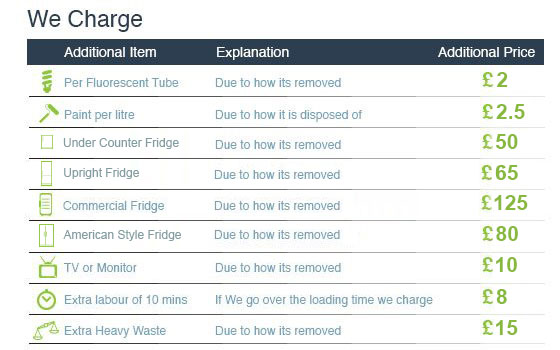
Hidden fees are not just annoying; they can turn a simple tidy-up into a stressful, expensive job. A quote that looks reasonable at first can become far less attractive once charges are added for stairs, access, congestion, waiting time, weekend work, heavier loads, or items that were not described properly. In a busy part of north London, that risk is real.
Kentish Town has a mix of Victorian terraces, mansion blocks, compact flats, shopfronts, and narrow residential roads. That variety matters because rubbish removal teams often need to assess loading distance, parking, lift access, and the type of waste involved. A quote that ignores those details may not be a genuine fixed price at all. It is more like a starting point. And that is where people get caught out, to be fair.
For most households and businesses, the biggest issue is not the price itself. It is the lack of clarity. You want to know whether the amount quoted includes labour, disposal, fuel, handling, and recycling. You also want to know what could change the price, and why. Clear pricing lets you make sensible decisions before anyone lifts a sofa or a bin bag.
If you are comparing providers, it helps to read the broader pricing and quotes guidance alongside the service details. That gives you a better idea of how a fair estimate should be presented, and what information should be included before collection day.
How Avoid hidden rubbish removal fees in Kentish Town Works
The basic idea is simple: the more accurate your description of the waste and access conditions, the less room there is for surprise charges. Most rubbish removal jobs are priced using one or more of these factors:
- the volume of waste, usually measured informally as a portion of a van
- the type of waste, such as general rubbish, mixed bulky waste, or furniture
- the amount of labour needed to move items from your property
- access issues, including stairs, narrow hallways, or lack of parking
- special handling needs for awkward or heavy items
- disposal and recycling requirements
Hidden fees usually appear when one of those details was left out. Maybe the customer said "a few items" but the load turned out to be a full flat clearance. Maybe the van could not park outside the property and extra carrying time had to be added. Maybe the item was a piano-sized sofa that needed two people. These are the moments where a vague estimate starts wobbling.
A good service will ask questions before giving a figure. In practical terms, that often means photos, a short description, rough measurements, or a quick call to clarify access. If you are dealing with furniture, a dedicated service like furniture disposal in Kentish Town can be especially useful because sofas, wardrobes, and beds tend to create more pricing confusion than smaller mixed waste.
Truth be told, the easiest way to understand pricing is to imagine the job from the crew's side. If they arrive to find a load that is twice the expected size, or a street where parking is impossible, something has to give. Either the job becomes more expensive or the schedule gets squeezed. The better the planning, the smoother everything runs.
Key Benefits and Practical Advantages
Clear rubbish removal pricing does more than protect your wallet. It also makes the whole process less chaotic. When you know the scope, timing, and likely cost, you can organise the rest of your day without hovering by the window wondering whether a van will turn up, tap the brake lights, and then somehow invoice you for the honour.
The main benefits are straightforward:
- Better budgeting: you can plan around a real figure rather than a vague one.
- Fewer disputes: everyone knows what was agreed before collection.
- Faster decision-making: it is easier to compare services like-for-like.
- Less stress: there are no awkward surprises after the van leaves.
- Better service fit: the right provider is matched to the job size and access type.
There is also a trust benefit. A company that explains pricing clearly usually tends to explain the rest of the process clearly too: what can be taken, what cannot, how payment works, and what happens if the job changes slightly. That kind of openness is worth a lot.
For larger or more complex jobs, you may want to compare a few related services before choosing. A house clearance in Kentish Town may suit a whole-property cleanout, while junk removal in Kentish Town can be better for smaller ad hoc loads. A clear comparison helps you avoid paying for more service than you need.
Who This Is For and When It Makes Sense
This matters to almost anyone arranging waste removal in NW5, but some situations are particularly prone to hidden charges.
- Homeowners and tenants clearing spare rooms, lofts, or old furniture
- Landlords needing fast turnaround between tenancies
- Estate agents and sellers preparing a property for viewings or sale
- Local businesses clearing office waste, fixtures, or old stock
- Contractors and tradespeople handling builders waste after a project
- Event organisers dealing with post-event rubbish and venue reset
It is also useful if you live or work somewhere with awkward access. That could mean top-floor flats without lifts, basement spaces, shared entrances, or roads where a van cannot stop for long. If that sounds familiar, you are exactly the kind of customer who benefits from careful pricing discussion up front.
For example, a builder removing rubble from a property in a busy street needs a different setup from someone clearing a single sofa and a mattress. If your job involves renovation debris, the builders waste clearance service is a more relevant starting point than a general waste collection.
And if you are unsure whether you need a one-off pickup or something broader, the services overview is a sensible place to get your bearings before requesting a quote. Sometimes the difference between "cheap" and "costly" is simply choosing the wrong service category.
Step-by-Step Guidance
Here is a practical way to keep your rubbish removal quote clean, clear, and fair.
- List everything you want removed. Be specific. "3 chairs, 1 wardrobe, 6 bags, 1 broken washing machine" is much better than "some rubbish."
- Note access details. Mention stairs, lift access, parking restrictions, narrow hallways, or long carrying distances.
- Send photos if asked. Good photos from a few angles are often the fastest route to a realistic estimate.
- Ask exactly what the quote includes. Labour, loading, disposal, fuel, recycling, and VAT if applicable should all be clear.
- Check the conditions for changes. Find out what happens if the load is bigger than expected or the crew faces access issues.
- Confirm the booking in writing. Even a simple email or message helps avoid misunderstanding later.
- Prepare the items before arrival. Grouping waste neatly can save time, and sometimes money too.
If you are clearing mixed household waste, compare whether a general rubbish collection or a more specific service is the better fit. A rubbish collection in Kentish Town is often the cleanest option when you want a straightforward pickup without the complexity of skip permits or prolonged roadside storage.
One practical tip: never assume "same day" means "same price." Urgency can affect scheduling, and sometimes people accept a rushed quote because they are stressed. Fair enough, it happens. But if you pause for five minutes and ask two or three precise questions, you can often avoid a costly misunderstanding.
Expert Tips for Better Results
These are the small things that make a surprisingly big difference.
1. Get clarity on volume first. A quote based on van space is only useful if you understand what portion of the van you are actually using. Ask how the company estimates load size.
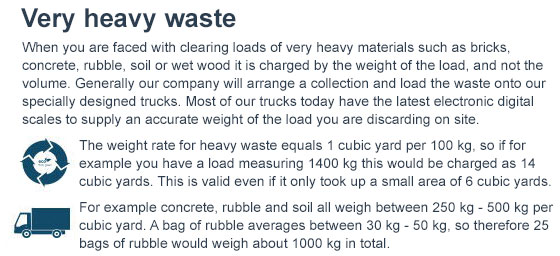
2. Mention awkward items early. Wardrobes, American-style fridge freezers, cast iron, building rubble, and damaged appliances are the kinds of items that can shift a quote. Say them out loud, even if they seem obvious.
3. Be honest about access. It is much better to say "third floor, no lift, narrow stairwell" than to hope it will not matter. It will matter. Usually.
4. Ask whether recycling is included. Many customers like to know what happens after collection. If sustainability matters to you, review the provider's recycling and sustainability approach so you understand how mixed waste is handled.
5. Save the terms and conditions. Not because you expect a problem, but because they tell you how the company works. That is where you often find the real answers about pricing changes, cancellations, and payment timing. A quick look at the terms and conditions can save an awkward phone call later.
6. Ask about insurance and safety. A serious provider should have a sensible approach to site safety and insurance. If heavy lifting is involved, it is not a detail to skim over. The insurance and safety information helps you judge how carefully a team operates.
A small human note here: people often spend ages comparing a GBP20 difference but ignore access details worth far more than that. Happens all the time. The quote looks fine, then reality arrives in the form of three flights of stairs and a narrow landing.
Common Mistakes to Avoid
Hidden fees usually come from a handful of predictable mistakes. Avoiding them is half the battle.
- Giving a vague description of the waste. "A bit of rubbish" is not enough.
- Forgetting to mention access problems. This is one of the most common causes of price changes.
- Assuming everything is included. Labour, disposal, and collection are not always bundled the same way.
- Not checking restricted items. Some items need special handling or may not be accepted.
- Choosing only on headline price. The cheapest quote is not always the best value, especially if it hides extras.
- Leaving the quote discussion too late. If you wait until the team is at the door, you have less room to negotiate clarity.
There is another subtle mistake: comparing rubbish removal with skip hire as if they are identical. They are not. Skip hire can make sense for long projects, but it often introduces permit, placement, and loading considerations. If you are deciding between the two, the skip hire option in Kentish Town is worth reviewing alongside a direct collection service.
On a practical level, the best prevention is simple documentation. A few photos, a written quote, and a clear message about what is included. Nothing fancy. Just enough to keep everyone on the same page.
Tools, Resources and Recommendations
You do not need complicated tools to avoid hidden rubbish removal fees, but a few simple resources make the process much smoother.
- Phone camera: take clear photos of all waste and the access route.
- Notes app or checklist: list items room by room so nothing is forgotten.
- Measurements: approximate sizes help when dealing with bulky items.
- Booking confirmation: keep the estimate and any agreed extras in one place.
- Property access notes: useful for flats, gated buildings, and shared entrances.
In Kentish Town specifically, local access conditions can matter just as much as the waste itself. If you are dealing with a property near a busier road or somewhere with limited stopping space, it may help to read local guidance such as the narrow access guide for Kentish Town Road. Similar issues often come up in residential streets too, especially when a job takes place early in the morning or during busy periods.
For bulky one-off items, a few local guides can also give you context. The Fortess Road bulky rubbish collection guide and the Kentish Town West station collection guide are useful reminders that the best approach depends on what you are removing and how quickly you need it gone.
If you are planning a venue clean-up or post-event clearance, local timing and footfall can matter too. A quick read of the venue clearance guide for Kentish Town Forum events may save you a headache.
Law, Compliance, Standards and Best Practice
For rubbish removal, compliance is not something to treat casually. You do not need to become a waste law specialist, but you should expect any professional provider to handle waste responsibly and to explain their process in plain English.
In the UK, waste carriers should operate within the usual legal framework for transporting and disposing of waste. That means proper handling, appropriate disposal routes, and care around what can and cannot be collected. If a provider seems fuzzy on this point, that is a warning sign. You do not want your waste disappearing into a mystery van, let's put it that way.
Best practice usually includes the following:
- clear written quotes before the job starts
- transparent explanation of any extra charges
- responsible segregation of reusable and recyclable material where practical
- safe lifting and loading procedures
- clear payment terms and secure handling of customer data
If you are concerned about how payments are managed, review the payment and security information. That page should give you a clearer sense of accepted payment methods, how transactions are handled, and what to expect at the point of settlement.
It is also sensible to check the company background. The about us page and modern slavery statement can help you judge whether the business presents itself in a responsible, transparent way. That does not guarantee perfection, of course, but it does tell you something about standards.
Options, Methods, and Comparison Table
Different clearance methods suit different jobs. The trick is to choose the one that matches your waste, your access, and your budget. Here is a simple comparison.
| Method | Best for | Main risk | How to avoid hidden costs |
|---|---|---|---|
| Rubbish collection | General mixed waste, smaller clearances, quick pickups | Extra charges if load size or access is unclear | Describe waste accurately and share photos |
| Furniture disposal | Sofas, beds, wardrobes, bulky household items | Charges for heavy lifting or awkward items | List each item and mention stairs or lifts |
| House clearance | Whole rooms, probate clearances, tenant turnover | Scope creep when the job is larger than expected | Walk through the property room by room |
| Builders waste clearance | Renovation debris, rubble, construction leftovers | Mixing waste types can change pricing | Separate building waste from household waste where possible |
| Skip hire | Longer projects with ongoing loading needs | Permit, placement, and overfilling complications | Confirm skip size and placement details in advance |
For a more general sense of service scope, it can help to revisit waste removal in Kentish Town and rubbish clearance in Kentish Town. They sit in the middle of the decision tree for many customers, especially when the job is neither tiny nor a full property clearance.
Case Study or Real-World Example
Here is a realistic scenario from the kind of job people arrange all the time in NW5.
A resident in a first-floor flat wanted to clear an old bed frame, mattress, broken shelving, several bin bags, and a heavy wardrobe. The first quote they received sounded cheap, but it was based on a vague description and did not account for the narrow stairwell or the fact that the wardrobe needed to be dismantled. By the time the questions started coming in, the estimate had changed.
Instead of guessing, the resident sent photos, explained the access route, and clarified that the lift was out of order. The provider then gave a more accurate figure up front. The final price was not magically lower, but it was honest. More importantly, there was no awkward conversation on the doorstep.
That is really the point. Avoiding hidden rubbish removal fees in Kentish Town is less about hunting for the lowest number and more about making the whole process accurate from the beginning. A proper quote feels boring in the best possible way. No drama. No surprise extras. Just a job done properly.
If your own job involves a particular type of item, such as a sofa, mattress, or other bulky piece, you may find the dedicated Furniture Disposal Kentish Town NW5 page helpful when planning the next step.
Practical Checklist
Use this checklist before you confirm any rubbish removal booking.
- Have I listed every item that needs removing?
- Have I mentioned stairs, lifts, parking, or narrow access?
- Have I sent photos or given enough detail for an accurate estimate?
- Do I know whether labour, loading, disposal, and recycling are included?
- Do I understand what could change the price?
- Have I checked whether the provider is suitable for my type of waste?
- Have I reviewed the terms, payment process, and safety information?
- Have I compared the job against alternative options like skip hire or specialist clearance?
- Is the quote written down and easy to refer back to?
- Do I feel comfortable that the pricing makes sense?
Expert summary: The most reliable way to avoid hidden rubbish removal fees in Kentish Town is to treat the quote like a brief survey, not a guess. Clear items, honest access details, and written confirmation will usually do more for your budget than chasing the cheapest headline price.
Conclusion
Hidden rubbish removal fees are avoidable most of the time. The key is to be specific, ask direct questions, and choose a provider that gives straight answers before the job begins. In Kentish Town, where properties and access conditions vary so much, that small bit of preparation can make the difference between a smooth clearance and a frustrating one.
Whether you are clearing a flat, handling builders waste, or getting rid of an old sofa, the principles stay the same: describe the job properly, check what is included, and keep the paperwork simple but clear. Do that, and you are far less likely to face a nasty surprise at the end.
Get a free quote today and see how much you can save.
And if you are still weighing up your options, take your time. A careful decision now tends to save time, money, and a bit of stress later on. That is usually the best kind of bargain.



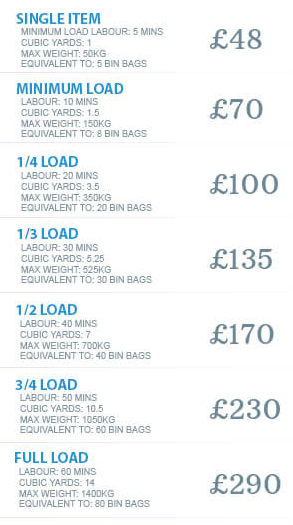
 Tipper Van - Rubbish Removal and Waste Disposal Prices in Kentish Town NW5
 Luton Van - Rubbish Removal and Waste Disposal Prices in Kentish Town NW5