Kentish Town Forum event rubbish clearance for venues
Posted on 23/05/2026
Kentish Town Forum event rubbish clearance for venues: a practical guide for busy venue teams
If you run or manage a venue near Kentish Town Forum, you already know the awkward bit after a great event is not the applause, the bar takings, or even the lost-and-found tray. It is the rubbish. Crushed cups, food waste, cardboard, broken props, tangled cable ties, and a mysteriously damp corner of festival-style detritus all seem to arrive at once. Kentish Town Forum event rubbish clearance for venues is the part that keeps the building usable, safe, and ready for the next crowd.
This guide explains how venue waste clearance works, what to plan for, where the risks usually hide, and how to choose the right clearance approach without overcomplicating the job. You will also find a checklist, a comparison table, and a few sensible next steps if you need support with local rubbish removal, event overflow, or post-show clean-downs. Truth be told, the smoother the clearance plan, the less everyone notices it. Which is exactly how it should be.

Why Kentish Town Forum event rubbish clearance for venues Matters
A venue is not just a room with speakers and a bar. It is a live operating environment where people move quickly, drinks spill, bins fill, and the clock is always slightly against you. After an event at or around Kentish Town Forum, the waste stream can be surprisingly mixed: front-of-house litter, backstage packaging, catering waste, broken display materials, and whatever gets abandoned in a rush at the end of the night.
Clearance matters for a simple reason: waste left in the wrong place creates knock-on problems. It blocks access routes, affects cleaning schedules, invites complaints from neighbours, and makes next-day operations harder than they need to be. In a busy part of London, that can quickly become a reputational issue as well as a practical one.
There is also the customer experience side. People remember a venue that feels organised. They remember clear exits, tidy loading areas, and a fast reset between events. They do not remember every bin bag, of course, but they do notice when the place feels chaotic. A venue that treats rubbish clearance as part of event management rather than a bolt-on ends up looking more professional.
If your venue hosts parties, live music, private hires, or short-turnaround events, it helps to think beyond "take the bins out later". A smart clearance plan supports everything from house keeping to safety. For broader venue planning, some operators also keep an eye on local context through guides like best places for parties in Kentish Town and wider area insight from a local guide to Kentish Town.
How Kentish Town Forum event rubbish clearance for venues Works
At its core, event rubbish clearance is a structured collection and removal process. The job is usually done in stages, because a venue event rarely produces one simple pile of rubbish. It produces several types of waste, each with its own handling needs.
Typical stages of the process
- Pre-event planning: estimating waste volume, checking access, and deciding where waste will be stored temporarily.
- Live event management: keeping bins from overflowing and separating recyclable materials where possible.
- Post-event pickup: removing bagged rubbish, bulky items, packaging, and any leftover materials from the venue.
- Sorting and disposal: directing suitable items for recycling, reuse, or general disposal depending on material type.
- Final sweep: clearing loading bays, alleyways, side entrances, and front-of-house spaces so the venue is reset for the next use.
For many venues, the important part is the transition between stages. A cluttered backstage area after the show can slow bar staff, trip up crew, and make end-of-night exit routines messy. It sounds obvious, but it is often the first thing that slips when an event runs late. One minute everyone is focused on the encore, the next there are six half-full bags and no one quite knows where they should go.
In practical terms, the work may involve a dedicated rubbish collection team, a same-day waste removal visit, or a one-off clearance after a large event. If furniture or old fixtures have been moved out as part of event setup or de-rig, the job may overlap with furniture disposal in Kentish Town or even larger venue tidy-ups through junk removal in Kentish Town.
Key Benefits and Practical Advantages
Good clearance is not just about removing waste. It improves how the venue works, how staff feel, and how quickly the space can be turned around. Here are the main benefits venues usually care about.
- Faster resets: quicker clean-downs mean earlier reopening, less overtime, and fewer crossed wires between teams.
- Safer walkways: less clutter lowers trip hazards in narrow corridors, stairs, and backstage areas.
- Better presentation: a neat venue gives a better first impression for the next booking or inspection.
- Less stress for staff: no one enjoys improvising with bin liners at midnight. Lets face it.
- More sensible waste handling: separating materials where possible can support recycling and reduce unnecessary landfill disposal.
- Fewer neighbour issues: a prompt clear-out reduces noise, smells, and bags left outside overnight.
For venues that host regular events, the cumulative benefit matters even more. A repeatable process saves time every single time. The difference between an organised venue and a frantic one is often not the event itself, but the half-hour after it ends.
There can also be a commercial angle. If your building is used for private hires, promoters, or mixed-use bookings, tidy operations help protect the venue's reputation. If you are also managing office space, storage, or back-office functions, a broader approach through office clearance in Kentish Town or waste removal services in Kentish Town may be worth considering.
Who This Is For and When It Makes Sense
This kind of clearance is relevant to more than one type of venue. The obvious users are music venues and event halls, but in practice the need is wider.
Common venue types that benefit
- Live music venues and gig spaces
- Bars that host ticketed nights or private functions
- Community halls and function rooms
- Restaurants with event hire spaces
- Theatre and performance venues
- Pop-up event spaces and temporary installations
- Studios and mixed-use creative venues
It also makes sense when the event is bigger than your usual staffing can handle. A 40-person reception may be manageable with a couple of bin rotations. A sell-out show with food stalls, branded packaging, and load-out crews is a different story entirely.
One of the most common triggers is a short turnaround. If you have an event on Friday night and another on Saturday afternoon, you cannot afford to leave the space in "we'll deal with it later" mode. That later becomes now very quickly. You may also need clearance when refurbishing, changing layout, or removing old seating after a busy season. For heavier reset work, builders waste clearance in Kentish Town can be useful alongside event waste planning.
In short: if the waste is bulky, mixed, time-sensitive, or visible to guests and neighbours, venue rubbish clearance is worth organising properly.
Step-by-Step Guidance
Below is a practical way to handle event rubbish clearance without turning it into a separate project of its own. Simple, but not simplistic.
1. Estimate what the event will generate
Think in categories, not just bags. Will there be food waste, cardboard, drinks containers, decorations, stage dressing, broken display items, or old promotional material? The more varied the event, the more mixed the waste will be.
2. Check access before the event begins
Where can waste be stored temporarily? Is there a rear entrance, service lift, or alleyway for collection? A clearance plan falls apart fast if bags have to be carried through guest areas after midnight. That is a bad look, and a practical headache too.
3. Set up bins and holding points deliberately
Place bins where waste naturally happens: bar service points, catering stations, dressing rooms, and loading areas. If staff have to walk too far, rubbish ends up on tables, floors, or in the wrong bin. Human nature, really.
4. Separate what can be separated
Cardboard, cans, bottles, and general waste should be kept apart where possible. Even a simple split reduces sorting time later. This is especially useful if your venue produces a lot of packaging from drink deliveries or temporary event installs.
5. Remove bulky items early
If chairs, staging offcuts, damaged props, or broken furniture are part of the mess, do not leave them for the general sweep. Bulky items slow the whole operation. They may also need a different collection approach, such as garage clearance-style removal or dedicated furniture handling.
6. Schedule a realistic collection window
Book the collection for a time when the venue can actually access the waste. That might be after breakdown, early morning, or a narrow gap before the next event. If you are too optimistic here, you will end up moving waste twice. Nobody wants that.
7. Complete a final sweep
Before signing off, check side alleys, fire exits, toilets, backstage corridors, and any hidden corners where clutter tends to gather. The obvious rubbish gets removed first. The sneaky stuff is what lingers.
Expert Tips for Better Results
Small adjustments make a big difference. In our experience, the best venue waste plans are the ones that make the right thing easy.
Use colour or location cues for staff
You do not need a complicated labelling system. Even simple visual cues, like "cardboard here" or "general waste here", can reduce mix-ups during a busy close-down. Staff are usually moving fast and thinking about a dozen other things.
Build clearance into the event timeline
Do not treat waste removal as a separate clean-up at the end. Add it to the event run sheet. A few minutes allocated during breakdown often saves a much longer scramble later.
Keep a stock of bags and liners
This sounds almost too basic to mention, but being short on liners at 10:45 pm is one of those tiny failures that snowballs. A spare stock at the venue saves last-minute improvisation.
Watch the weather
Outdoor load-outs and side alley storage are much less forgiving when it is raining. Wet cardboard is harder to handle, and bags can split more easily. A slightly damp London evening can turn a neat plan into a slippy mess. Very British, that.
Think about reusable materials
If your venue frequently creates the same type of event waste, look for reuse opportunities: storage crates, reusable cup systems where appropriate, or sturdier bins and cages. That can reduce both clutter and disposal volume over time.
Another useful point: for venues that frequently change layout, a clearer link between event set-up and removal helps. That is where services like rubbish clearance in Kentish Town or local rubbish collection can support a more routine system rather than a last-minute rescue.

Common Mistakes to Avoid
Most clearance problems are boring, preventable ones. That is good news, because boring problems are cheaper to fix.
- Leaving everything until the end: when waste piles up during the event, the final clean-down becomes much harder.
- Underestimating bulky waste: one damaged table or broken display stand can derail a tidy-up if nobody planned for it.
- Mixing waste streams blindly: once materials are blended together, sorting gets slower and less efficient.
- Blocking fire routes or exits: even briefly. This is not worth the risk.
- Forgetting behind-the-scenes spaces: toilets, storage rooms, and loading bays often become clutter magnets.
- Assuming every collection is the same: event waste, office junk, furniture, and builders debris are different jobs, even if they all end up in bags.
A common mistake for venue teams is thinking the job is finished once the front-of-house looks presentable. But the real measure is whether the site is reset for the next use. If the back corridor smells odd, the bin store is full, or the lift has cardboard wedged in the corner, the job is only half done.
Tools, Resources and Recommendations
You do not need a warehouse full of specialist equipment. Most venues just need a sensible setup and the right service partners.
Useful on-site tools
- Heavy-duty refuse sacks
- Clear labels or signs for waste streams
- Wheelie bins or stacking bins for temporary holding
- Gloves for staff handling bagged waste
- Hand trolleys or dollies for bulky items
- Bright torches or work lights for end-of-night checks
On the service side, it helps to know what kind of help you actually need. A venue with frequent events might prefer a regular rubbish removal arrangement. A one-off launch party might only need a single collection after breakdown. If you are comparing service types, a broader overview like the services overview can help you match the job to the right option.
Some venues also keep a dedicated contact route for urgent bookings or post-event amendments, which is why having a clear way to reach the team matters. If timing is tight, use the page for getting in touch for a quote or booking.
For teams that want to make greener choices, it is worth reading about recycling and sustainability practices. Not every event material can be reused, naturally, but better sorting can still reduce avoidable waste.
Law, Compliance, Standards, or Best Practice
Event rubbish clearance sits in a practical part of venue operations, but it still touches on safety, legal responsibility, and good site management. The main rule of thumb is simple: waste should be handled responsibly, safely, and by people who understand what they are carrying away.
For venue teams, that usually means paying attention to a few basic expectations:
- Safe handling: staff should not lift awkward or heavy items without the right technique or equipment.
- Clear access routes: exits, corridors, and loading points should not be blocked by waste.
- Correct segregation: items that can be separated for recycling should be kept apart where practical.
- Special care with certain items: electronics, sharp objects, glass, and contaminated materials need extra caution.
- Reliable carriers: waste should be removed by a service that operates in a way consistent with proper UK waste handling expectations.
Insurance and safety matter here too. If an item is awkward, heavy, sharp, or unexpectedly contaminated, the risk is not worth taking. A safer approach is to use a clear service process and documented site procedures. If your venue team wants a wider view of risk handling, insurance and safety guidance is a useful place to start.
There is also a sustainability angle. Better waste sorting, fewer mixed bags, and sensible reuse all support a cleaner operation. It is not about perfection. It is about doing the practical things well, consistently, and without fuss.
Options, Methods, or Comparison Table
Venues usually choose one of three approaches: do it in-house, book one-off clearance, or set up regular removal support. Each has its place.
| Method | Best for | Pros | Trade-offs |
|---|---|---|---|
| In-house clean-down | Small events, low waste, tight budgets | Quick to start, low direct cost, staff know the venue | Can be slow, inconsistent, and tiring after busy nights |
| One-off event clearance | Launches, concerts, private hires, and unusually messy events | Flexible, fast, less pressure on venue staff | Needs good timing and accurate briefings |
| Regular waste removal | Venues with frequent bookings or predictable waste volume | Reliable, easier to plan, more efficient over time | Less flexible if your event schedule changes often |
If your venue is already dealing with old fixtures, seating, or storage issues alongside event waste, you may also need support similar to house clearance style removal for large mixed contents, especially when a space is being reset or repurposed. That is not unusual at all.
Case Study or Real-World Example
Picture a mid-sized venue near Kentish Town Forum after a Friday night event. There is a stack of cardboard from drinks deliveries, black sacks from bar service, a few broken display pieces, and seating moved into storage to make room for the crowd. The event finished late, the team is tired, and the next day there is a rehearsal booked by lunchtime.
If the venue waits until morning to think about rubbish, the whole schedule compresses. Staff end up doing lifting while also setting up again. Bags get left in the wrong place. Someone mutters about "where does this go?" three times in ten minutes. You know the scene.
Now imagine the same venue with a clearer plan. Bins were positioned before doors opened. Cardboard was separated during breakdown. Bulky items were flagged early. A rubbish clearance team arrived within the agreed window, collected the mixed waste, and cleared the loading area before the rehearsal setup started. The team was not magically less tired, but they were much less stressed. That matters.
The lesson is simple: a venue does not need a complicated system, just a dependable one. When the clearance plan fits the event rhythm, the venue stays calm even when the night gets loud.
Practical Checklist
Use this checklist before and after the event. It is short on purpose. Long checklists look impressive and then sit in a folder. This one is meant to be used.
- Confirm the expected waste types before the event
- Check where bags and bulky items will be held temporarily
- Make sure bins are placed near high-use points
- Brief staff on what goes in each waste stream
- Keep spare bags, liners, and gloves available
- Identify any heavy, sharp, or awkward items early
- Plan the collection time around breakdown and access
- Check fire exits, walkways, and loading zones are clear
- Do a final sweep of hidden spaces and storage corners
- Record any recurring waste issues for the next event
If you are juggling multiple responsibilities, it can help to use broader support services too, especially for leftover items and mixed material. For example, furniture disposal is useful when seating, tables, or display items need to be removed quickly after an event.
Conclusion
Kentish Town Forum event rubbish clearance for venues is really about control. Control over time, safety, presentation, and the little details that make a venue feel well run. The waste itself is never glamorous. It is bags, boxes, spillages, and awkward leftovers. But handled properly, it becomes one of the easiest parts of the event to get right.
Whether your venue needs a one-off post-event clearance, repeat rubbish collection, or support with bulky items and mixed waste, the best results come from planning early and keeping the process simple. That way the after-show chaos stays brief, and the venue can get back to doing what it does best: hosting people well.
Get a free quote today and see how much you can save.
If you want a calmer reset after a busy event, start with a simple conversation and a clear plan. That small step often makes the whole night feel lighter.



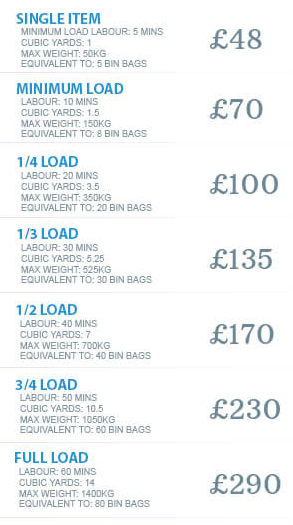
 Tipper Van - Rubbish Removal and Waste Disposal Prices in Kentish Town NW5
 Luton Van - Rubbish Removal and Waste Disposal Prices in Kentish Town NW5