Kentish Town Road rubbish removal for narrow access
Posted on 08/05/2026
Kentish Town Road rubbish removal for narrow access: a practical guide for awkward clearances
If you live, work, or manage a property on Kentish Town Road, you probably already know the feeling: the rubbish is ready to go, but the access is not. Tight stairwells, narrow front doors, shared hallways, basement steps, limited kerb space, and parked cars can turn an ordinary clearance into a slow, frustrating job. That is exactly where Kentish Town Road rubbish removal for narrow access becomes a different kind of task altogether.
This guide explains how tricky clearances work, what makes them different, and how to avoid the usual headaches. Whether you are clearing a flat, a shop unit, a house, or a small office, you will find practical steps, common mistakes, useful comparisons, and a realistic sense of what to expect. Truth be told, narrow access jobs are often less about brute force and more about planning.
You will also find helpful links to related services and local information, including the full services overview, pricing and quotes, and insurance and safety information if you want to check the basics before booking. It all matters a bit more when the access is tight.

Why Kentish Town Road rubbish removal for narrow access Matters
Kentish Town Road has all the signs of a busy London stretch: mixed property types, traffic, pedestrians, terraces, converted buildings, and a lot of places where access is just not generous. That sounds obvious, but in rubbish removal it changes everything. A job that would be straightforward with a wide driveway can become awkward if a sofa has to be angled through a tight hallway or if bags must be carried down several flights of stairs.
Narrow access affects speed, safety, and cost. It also affects what equipment can be used. A large van may not be able to park directly outside. A bulky item might need to be dismantled first. In some cases, the clearance team needs to plan around neighbours, loading restrictions, or building rules. You can see why a one-size-fits-all approach falls apart pretty quickly.
It matters for residents, landlords, estate agents, shop owners, builders, and anyone preparing a property for sale or let. If you are looking at a wider local move or property decision, the area guides on living in Kentish Town and buying property in Kentish Town can give useful context too. Access problems are part of the local picture.
Expert summary: narrow access rubbish removal works best when the team plans the route before lifting anything, checks parking and entry points, and chooses the right method for the property rather than forcing a standard clearance.
There is also a simple human side to it. Nobody wants a hallway scuffed, a stair carpet nicked, or a neighbour annoyed because a bulky item blocked the landing for twenty minutes. Good planning avoids that. Bad planning, well, it tends to announce itself loudly.
How Kentish Town Road rubbish removal for narrow access Works
The process is usually more structured than people expect. A proper narrow-access clearance starts with information, not muscle. The clearer the details you give, the smoother the collection tends to be.
What the team needs to know first
- What needs removing: furniture, mixed rubbish, builders waste, white goods, office items, garden waste, or a combination
- Where the items are located: basement, second floor, rear yard, loft, shed, side return, or basement storage
- How access works: narrow staircase, no lift, shared corridor, low doorway, restricted parking, or long carry distance
- Whether items can be dismantled before removal
- Any timing constraints, building rules, or neighbour considerations
That initial picture helps determine the right crew size, vehicle type, and time needed on site. It also affects whether the job is suitable for a same-day response or better handled as a planned appointment. If you are clearing furniture in a tight property, the dedicated furniture disposal service in Kentish Town may be the most efficient option.
What usually happens on the day
- The team arrives and assesses access, item size, and any hazards.
- Items are separated into what can be moved directly and what should be broken down first.
- Protection measures may be used where needed, such as careful carrying routes or extra handling for walls and bannisters.
- Objects are removed in the safest order, usually starting with the heaviest or most awkward pieces.
- Waste is loaded, sorted, and taken away for appropriate disposal or recycling.
For more complex clearances, especially where building waste is involved, builders waste clearance in Kentish Town is worth looking at. Renovation debris behaves differently from household clutter. Dusty, heavy, sharp, and not much fun to drag down stairs. Let's face it.
Some jobs need a simple pick-up. Others need a bit of choreography. In a narrow terrace or converted flat, that difference can save a lot of stress.
Key Benefits and Practical Advantages
Choosing the right approach for narrow access is not just about convenience. It can make the whole clearance safer, cleaner, and less disruptive. Here are the main advantages people notice most often.
- Less disruption: careful planning reduces time spent in stairwells, corridors, and shared entrances.
- Better protection for the property: the right handling method helps reduce scuffs, bumps, and accidental damage.
- More realistic time estimates: jobs on Kentish Town Road can take longer than a standard kerbside collection, so a tailored estimate is more honest.
- Safer lifting and carrying: narrow access often means turns, steps, and awkward angles, which increases the risk of strain or slips if the job is rushed.
- Fewer surprises on the day: a good plan avoids the dreaded moment when a sofa simply will not fit through the door. We have all seen that movie, and nobody wants the sequel.
There is also a sustainability angle. When items are sorted properly, more can be reused, recycled, or separated for appropriate treatment. If you want a sense of how that fits into the wider service, the page on recycling and sustainability is a useful companion read.
For landlords, agents, and property sellers, the benefit is even more practical: the place can be made ready without turning the hallway into a battleground. If you are coordinating a sale, the local guide on real estate sales in Kentish Town sits neatly alongside clearance planning.
Who This Is For and When It Makes Sense
This kind of service is a strong fit for anyone dealing with limited access and a time-sensitive clearance. Some readers already know the pain point; others only discover it when they try to move a wardrobe through a narrow Victorian staircase. That's usually when the penny drops.
Typical situations
- Flat clearances: especially upper-floor flats with no lift or small communal landings
- House clearances: terraces and maisonettes with tight front steps or rear access only
- Office clearances: small premises, older buildings, or basement workspaces
- Furniture removals: sofas, wardrobes, beds, desks, filing cabinets, and awkward items
- Building and renovation waste: rubble, plasterboard, broken fittings, timber offcuts, and mixed debris
- Garage, loft, and cellar clear-outs: cramped spaces where access is limited and dust is everywhere
If you are dealing with domestic clutter, house clearance in Kentish Town or loft clearance in Kentish Town may be the better fit. For business premises, office clearance in Kentish Town is usually the more relevant route.
A good rule of thumb is this: if lifting, turning, carrying, or parking feels like half the challenge before the rubbish even moves, narrow-access planning is probably the right call.
Step-by-Step Guidance
Here is a practical way to handle narrow-access rubbish removal without turning it into a saga.
1. Measure the awkward bits
Don't just guess. Measure door widths, hallway turns, stair landings, and the biggest items. A soft tape measure and ten minutes can save a lot of drama. Note low ceilings, railings, steps, or anything that might snag bulky items.
2. Identify what can be dismantled
Flat-pack furniture, bed frames, shelving, and some office pieces often move more easily if broken down first. If an item will not fit as one piece, dismantling may be the simplest answer. It is not glamorous, but it works.
3. Clear a route before the crew arrives
Move small objects, shoes, loose rugs, and fragile items out of the way. Keep the route as open as possible. If the access point is a shared hallway, it is courteous to let neighbours know. A little consideration goes a long way in a busy building.
4. Confirm parking and loading arrangements
Narrow access often means the vehicle cannot sit directly outside the property. Where parking is tight, allow extra time for loading. For busy stretches of road, this is especially important, and a slightly later route can actually be the smarter one.
5. Separate hazardous or restricted items early
Batteries, paints, chemicals, some electrical items, and similar materials may require special handling. Do not hide them in a pile and hope for the best. Flag them clearly. If in doubt, ask before the collection.
6. Choose the right disposal route
Some jobs are simple rubbish collections. Others are more like mixed waste removal. If you are unsure which service fits, the rubbish clearance page for Kentish Town is a useful starting point, and waste removal in Kentish Town can help for broader clearances.
7. Confirm how you want the space left
Some people want a swept-up finish, others just want the items gone so they can crack on with decorating or moving. Be clear. A small clarification at the start can save a lot of back-and-forth later.
Expert Tips for Better Results
These are the small things that tend to make a big difference on narrow access jobs.
- Send photos before booking. A picture of the hallway, stairs, bulky items, and parking situation is often more useful than a long description.
- Keep the heaviest items accessible. If possible, place them nearest the exit rather than behind lighter clutter. Simple, but effective.
- Leave a bit of buffer time. A collection on Kentish Town Road can be affected by traffic, pedestrians, and parking. A calm schedule helps.
- Ask about dismantling. Some items are faster to remove in pieces. No shame in that at all.
- Check for shared access rules. Communal buildings sometimes have restrictions on timings or routes. Better to ask than apologise later.
- Keep valuables and documents separate. This sounds obvious, but cluttered rooms can hide passports, paperwork, chargers, or old keys in the middle of the mess.
One more thing: if you are clearing an entire property, do not underestimate the "little" rubbish. Loose bits of packaging, broken drawers, carpet offcuts, and half-used tins can soak up time and fill a vehicle faster than expected. It all counts.
If sustainability matters to you, ask how reusable furniture or recyclable material is handled. The local furniture disposal service and sustainability information can help you plan a more responsible clearance, especially where items are still in decent condition.
Common Mistakes to Avoid
Narrow access jobs go wrong in predictable ways. Once you know the pattern, they are much easier to avoid.
- Underestimating item size: a sofa that looks manageable in a room can be a nightmare at a stair turn.
- Ignoring parking reality: assuming the van will "just stop outside" is a classic mistake.
- Not mentioning the stairs: no lift, steep steps, narrow landings, and basement access all matter.
- Leaving sorting until the last minute: mixed piles slow everything down.
- Forgetting building management rules: some blocks and shared premises have timing or access restrictions.
- Booking the wrong type of service: furniture disposal, builders waste, office clearance, and general rubbish removal are not always interchangeable.
Another subtle mistake is trying to make the job cheaper by hiding complexity. It nearly always backfires. A clear, accurate description is better for everyone, even if it feels a bit blunt at the time.
And yes, it can feel awkward to admit your basement is a tight squeeze. But the crew would rather know in advance than discover it while carrying a filing cabinet down a bendy stairwell. Nobody enjoys that moment.
Tools, Resources and Recommendations
You do not need specialist equipment to prepare for a narrow-access clearance, but a few simple tools help a lot.
| Item | Why it helps | Best used for |
|---|---|---|
| Tape measure | Checks doorways, turns, and bulky item dimensions | Furniture, appliances, stairwells |
| Marker labels or notes | Helps separate what is being removed from what is staying | Mixed clearances, office jobs, house moves |
| Heavy-duty gloves | Useful if you are sorting items beforehand | Lofts, garages, gardens, dusty spaces |
| Basic screwdriver or Allen keys | Makes dismantling quicker | Beds, shelves, desks, wardrobes |
| Clear phone photos | Great for quoting and access checks | All narrow-access jobs |
For more general support, the junk removal service is useful when the load is mixed and you just want the clutter out efficiently. If the job involves a garden or rear access, garden waste removal can be more suitable.
Useful preparation resources also include the site's about us page, which helps explain how the service is positioned, and the accessibility statement if you are checking how digital access and service information are presented. Small thing maybe, but it shows attention to detail.
Law, Compliance, Standards, or Best Practice
Waste removal in the UK should always be handled responsibly. That does not mean you need to become a legal expert overnight, but it does mean you should know the basic standards expected from any professional clearance service.
At a practical level, best practice usually includes:
- checking that waste is handled and transported by appropriate, legitimate operators
- separating items that may require special disposal
- taking care around shared spaces, neighbours, and public footpaths
- using safe lifting and carrying methods
- being transparent about what is being removed
Safety matters especially on narrow-access jobs because stairs, tight corners, and awkward load-bearing angles increase the chance of accidents. If you want more detail on how a provider approaches this, the page on insurance and safety is worth reading before you book.
There are also everyday compliance considerations. Building managers may have move-out rules. Landlords may expect the property to be left clear. Some waste streams need particular care. None of that is dramatic, but it does need respecting. If a job involves business premises, the office clearance service can be the best match because it usually accounts for equipment, furniture, and workplace access realities.
When in doubt, ask questions early. A clear answer now is much better than a messy correction later.
Options, Methods, or Comparison Table
Not every narrow-access job needs the same approach. The right method depends on the items, urgency, and building layout. Here is a simple comparison.
| Method | Best for | Pros | Limitations |
|---|---|---|---|
| Man and van style collection | Small to medium loads, flexible pickups | Quick, adaptable, good for awkward access | May not suit very large or heavy loads |
| Full clearance crew | House, office, or large mixed clearances | More manpower, better for stairs and bulky items | Usually needs more planning |
| Furniture-specific removal | Sofas, beds, wardrobes, desks | Efficient for large single items | Not ideal for mixed rubbish piles |
| General rubbish clearance | Mixed household or light commercial waste | Flexible and straightforward | May need sorting if waste is varied |
| Skip hire | Projects with space for a skip and time to fill it | Good for ongoing work | Often awkward on narrow roads or where parking is tight |
For many Kentish Town Road properties, skip hire is not the easiest answer because space is limited and access can be awkward. A direct collection service is often more practical. If you are weighing this up, skip hire in Kentish Town is still useful to compare against, especially for longer projects.
For everyday clear-outs, the best fit is often a well-planned removal with the right team size and the right vehicle. Not fancy. Just effective.
Case Study or Real-World Example
Here is a realistic example based on the kind of job people face all the time on a busy London road.
A two-bedroom flat above a shop needed clearing after a tenancy ended. The front access was narrow, the staircase turned sharply at the midpoint, and the nearest legal loading space was not directly outside. There was a sofa, a bed frame, a broken wardrobe, several bin bags, and a handful of awkward items from the kitchen and bathroom.
At first glance, it looked like a standard flat clearance. It wasn't. The sofa needed to be assessed before moving, because one armrest made the turn especially tight. The wardrobe was dismantled rather than forced. Smaller bags were staged near the exit so the team could move efficiently once the heavy items were out. The property was left tidy, and the landlord could start the next phase without delay.
What made it work? A few simple things:
- clear photos sent before the appointment
- honest notes about the stairs and turn angles
- early dismantling of one bulky piece
- a realistic time window for parking and loading
That is often the story with narrow access. Nothing magical, just calm prep and the right method. If you are dealing with a similar move-out or end-of-tenancy clear-up, the local house clearance and rubbish collection pages can help you decide which service fits best.
The best result in that kind of job is usually the one nobody notices. It just gets done properly. Quietly, which is nice for everyone.
Practical Checklist
Use this checklist before booking or on the morning of the clearance. It is simple, but it saves mistakes.
- Measure the widest item and the narrowest doorway or stair turn
- Take photos of access points, stairs, and parking restrictions
- Identify anything that should be dismantled in advance
- Separate hazardous, electrical, or special items from general rubbish
- Clear the route from room to exit as much as possible
- Check building, landlord, or neighbour rules if the property is shared
- Confirm whether the load is mainly furniture, mixed waste, or builders debris
- Ask about recycling, reuse, or donation where appropriate
- Make sure access instructions are written down clearly
- Keep keys, entry codes, and contact details ready on the day
Quick takeaway: the more accurately you describe the access, the smoother the removal usually goes. That is the whole trick, really.
Conclusion
Kentish Town Road rubbish removal for narrow access is not about forcing a standard clearance into an awkward building. It is about matching the job to the space, the items, and the real-world conditions on the ground. Narrow staircases, tight hallways, tricky parking, and shared access points all need a more thoughtful approach than a simple one-and-done pick-up.
When the planning is good, these jobs can be surprisingly straightforward. You get the clutter gone, the property cleared, and the stress level stays manageable. That matters whether you are moving out, refurbishing, selling, managing a rental, or simply trying to reclaim a room that has quietly become a storage unit. Happens to the best of us.
If you are unsure which service fits your situation, start with the relevant service page, gather a few photos, and ask for a clear quote. That one small step often saves the most time.
Get a free quote today and see how much you can save.
And if you want to speak with someone directly about a tight-access clearance, get in touch here. A proper plan now makes everything easier later, and that is worth doing well.



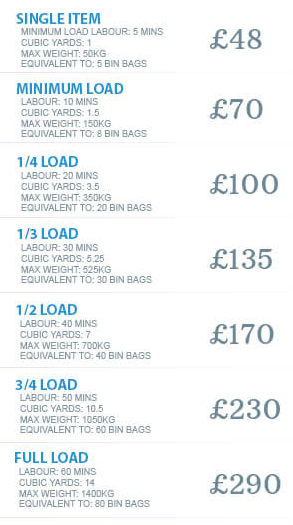
 Tipper Van - Rubbish Removal and Waste Disposal Prices in Kentish Town NW5
 Luton Van - Rubbish Removal and Waste Disposal Prices in Kentish Town NW5