Fortess Road bulky rubbish collection guide NW5
Posted on 15/05/2026
Fortess Road bulky rubbish collection guide NW5: a practical local guide for clearing big items the right way
If you live, work, or manage a property near Fortess Road, bulky rubbish has a habit of appearing at the worst possible moment. A broken sofa blocks the hallway. An old wardrobe won't fit down the stairs. A landlord wants a flat cleared before new tenants move in. And suddenly you need a proper plan, not just a hopeful guess and a strong cup of tea.
This Fortess Road bulky rubbish collection guide NW5 walks you through the real-world options for clearing large waste safely, legally, and with as little stress as possible. Whether you're handling one awkward item or a full room's worth of clutter, you'll find practical steps, common mistakes, and a few local-minded tips that can save time, money, and a fair bit of hassle.
For a broader view of local services, you can also explore the main rubbish collection in Kentish Town page or the wider services overview if you're comparing clearance options.
Why Fortess Road bulky rubbish collection guide NW5 Matters
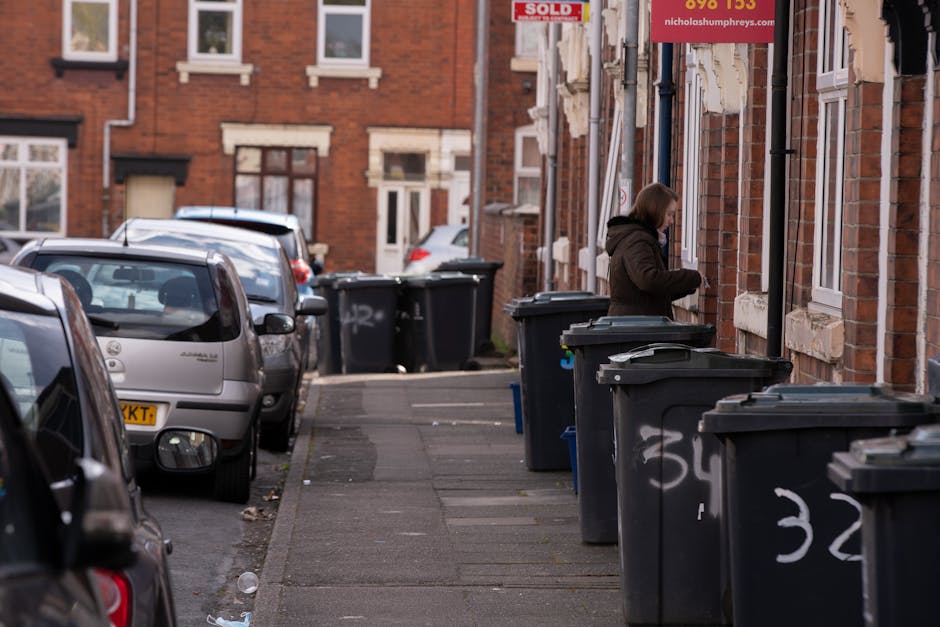
Bulky rubbish isn't like a bag of kitchen waste you can discreetly move out on bin day. It's bigger, awkwardly shaped, and often hard to carry through a front door or down a narrow staircase. Around Fortess Road and nearby NW5 streets, that matters even more because many homes, flats, and converted buildings have tight access, shared entrances, stairwells, or limited outside storage.
This guide matters because bulky items create a few predictable problems:
- they can block access in hallways, basements, and gardens;
- they may contain materials that need separate handling, such as wood, metal, textiles, or electrical parts;
- they can become a fire safety or trip hazard if left in communal areas;
- they often need a quick, coordinated removal rather than a "wait and see" approach.
There's also the compliance angle. In London, rubbish left outside too early, dumped in the wrong place, or handled by an unlicensed carrier can create problems for both residents and landlords. Not dramatic, just annoying in the way that takes up time you didn't plan to lose.
If you're dealing with a flat clearance, end-of-tenancy cleanup, or furniture removal, the local service pages for house clearance in Kentish Town and furniture disposal in Kentish Town are useful next stops.
Practical takeaway: the sooner you identify what needs removing, how bulky it is, and whether it can be recycled, the smoother the whole job becomes. Simple, but true.
How Fortess Road bulky rubbish collection guide NW5 Works
At its core, bulky rubbish collection is the process of removing large items that won't fit into regular household waste bins. That might include sofas, mattresses, wardrobes, broken desks, appliances, dismantled shelving, carpet offcuts, or mixed household clutter.
In practice, the process usually follows a few stages:
- Identify the items - make a clear list of what needs to go.
- Check access - doors, stairs, parking, lift access, and whether items need dismantling.
- Sort by type - furniture, electricals, garden waste, builders' waste, general junk.
- Choose a removal method - council collection, private rubbish clearance, skip hire, or a combination.
- Prepare the items - move them to a safe point if possible, and remove any personal belongings.
- Load and clear - the team or service collects the waste and takes it for disposal or recycling.
That sounds straightforward, but the details matter. A narrow entrance on Fortess Road, a top-floor flat, or a heavy item with no lift can change the whole plan. The best approach is the one that fits the property, not the one that looks easiest on paper.
For mixed loads, many people combine rubbish clearance with a specialist service such as junk removal in Kentish Town or rubbish clearance in Kentish Town. That can be especially handy when the load includes a little bit of everything, which, let's face it, is most real households.
Key Benefits and Practical Advantages
Good bulky rubbish collection is not just about getting rid of stuff. It's about making the space usable again without creating more work later.
- Saves physical strain: large items are awkward, and forcing them through tight spaces can injure backs, fingers, and doorframes.
- Reduces clutter fast: a single collection can transform a hallway, spare room, garden, or storage area.
- Improves safety: fewer obstructions means less risk in communal entrances and stairwells.
- Supports recycling: many bulky items can be sorted for reuse or recovery rather than sent straight to disposal.
- Simplifies moving or renovation: if you're selling, renting out, or refurbishing, a clear space makes every next step easier.
A small but real benefit? Peace of mind. There's something oddly satisfying about looking at an empty corner where an old chest of drawers used to loom for weeks. The room just breathes again.
If sustainability matters to you, it's worth reading the site's recycling and sustainability information so you know how different waste streams are handled.
Who This Is For and When It Makes Sense
This guide is for anyone dealing with oversized waste in or around Fortess Road and NW5. That includes:
- homeowners clearing out old furniture or broken items;
- tenants at the end of a lease;
- landlords preparing a property for new occupants;
- estate agents and property managers needing a fast turnaround;
- builders or renovators with leftover waste after a project;
- small offices replacing desks, chairs, or filing units;
- people clearing garages, lofts, or garden spaces that have quietly become storage overflow.
It also makes sense if you have items that are too large, too heavy, or too numerous for a normal disposal trip. A mattress is one thing. A mattress, broken wardrobe, and two bagged piles of random bits and bobs is another story entirely.
If you're moving property in the area, the local buying property guide for Kentish Town and real estate sales article can help frame why a clean, empty property often helps the process go more smoothly.
And if your situation is more specific, such as a shed clear-out or post-gardening cleanup, take a look at garden waste removal in Kentish Town or garage clearance in Kentish Town.
Step-by-Step Guidance
Here's a practical way to handle bulky rubbish without overcomplicating it.
1. Walk through the property first
Start with a slow walk-through. Make a list of what must go, what might be reusable, and what could be broken down. It sounds basic, but a five-minute walkthrough can save you a lot of back-and-forth later.
2. Measure the awkward items
Measure furniture, appliances, or large bags if access is tight. In a Victorian conversion or a top-floor flat, a wardrobe may not leave in one piece. If you know that upfront, you can plan dismantling rather than discovering the problem in the doorway. That kind of discovery is never fun.
3. Separate the waste by type
Try to separate furniture, electricals, metal, wood, garden waste, and general junk. Mixed waste is still manageable, but sorting helps with recycling and can make the collection smoother.
4. Check whether anything is reusable
Some bulky items are too good to treat as pure waste. A sturdy table, a serviceable chair, or an appliance that still works may be suitable for reuse, donation, or resale. Not everything needs the skip or truck.
5. Choose the right collection route
You have a few realistic options, which we'll compare in a moment. The best choice depends on volume, urgency, access, and how much handling you want to do yourself.
6. Clear access before collection day
Move small items out of the way, unlock gates, and keep stairways clear. If the collection team has to navigate around a hallway full of shoes, bags, and bikes, the job gets slower and a bit more chaotic than it needs to be.
7. Ask for confirmation of disposal route
If you're using a private service, ask how the waste will be handled. Reputable providers should be able to explain whether items are reused, recycled, or disposed of through appropriate facilities. This is where trust matters.
For details on safe handling and operational standards, the insurance and safety page is worth reading before you book.
Expert Tips for Better Results
A few small choices make bulky collection much easier.
- Bundle similar items together: keeping furniture pieces or bagged waste together speeds up loading.
- Remove drawers, cushions, and loose parts: sofas and wardrobes are easier to move when they're stripped down a little.
- Photograph the load before booking: clear photos help get a more accurate quote and reduce surprises.
- Think about parking access early: on busy roads, loading can be affected by where a vehicle can stop safely.
- Be realistic about DIY lifting: if an item is too heavy for one person, it's too heavy. Obvious, but people still try.
- Ask about recycling separation: especially for mixed furniture or renovation leftovers.
One practical tip that often gets overlooked: keep screws, fixtures, and tiny metal parts in a bag if you're dismantling furniture. Otherwise they vanish into carpet fibres or under skirting boards, and then you're crouched on the floor ten minutes later muttering to yourself. Been there, unfortunately.
If you want a clearer overview of the kinds of jobs covered in the local area, the about us page and services overview provide a helpful backdrop.
Common Mistakes to Avoid
Most bulky rubbish jobs go wrong for the same handful of reasons. Avoid these and you're already ahead.
- Leaving everything to the last minute: the "I'll deal with it tomorrow" approach tends to turn into a bigger pile.
- Not checking access: stairs, lifts, narrow hallways, and parking restrictions can affect the whole job.
- Mixing prohibited items with general waste: some items need separate handling, especially electricals or anything hazardous.
- Choosing based on price alone: cheap isn't helpful if the service can't handle the actual load properly.
- Forgetting to clear personal items: drawers, cupboards, and under-seat compartments are classic places for lost paperwork and small valuables.
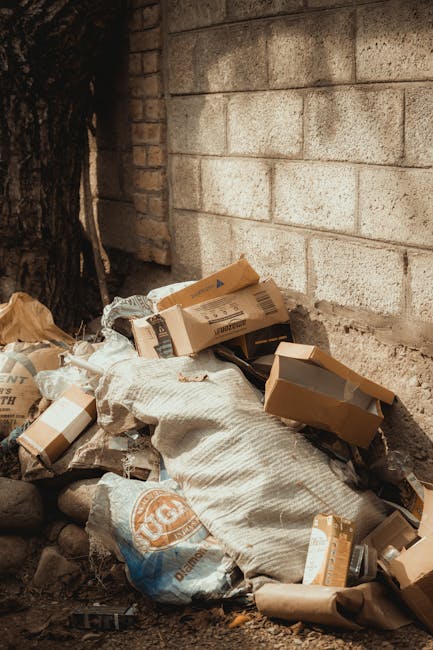
- Assuming every large item is the same: a sofa, a fridge, and a pile of builders' rubble each need different handling.
A slightly more subtle mistake is underestimating the time a collection takes. It may look like a quick lift-and-go job, but access, sorting, and loading can add up. Better to allow a bit of breathing space than rush the whole thing and regret it halfway through.
Tools, Resources and Recommendations
You do not need a lot of equipment for bulky rubbish collection, but the right basics help.
- Work gloves: useful for handling rough edges, splinters, or dusty items.
- Sturdy bags or tubs: for small mixed rubbish, screws, broken fittings, and loose bits.
- Basic screwdriver or drill: handy if you need to dismantle a bed frame or table.
- Tape measure: especially useful for awkward furniture and access points.
- Labels or marker pen: helps separate items for recycling or reuse.
- Clear photos on your phone: useful for getting quotes and explaining the load accurately.
For certain projects, specialist services are the smarter route. For example, old cabinets and wardrobes may be best handled through furniture disposal, while post-refit debris is better suited to builders' waste clearance.
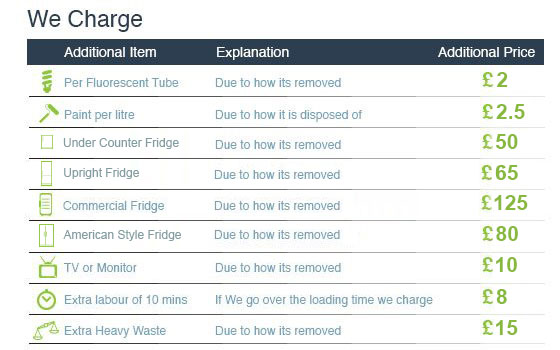
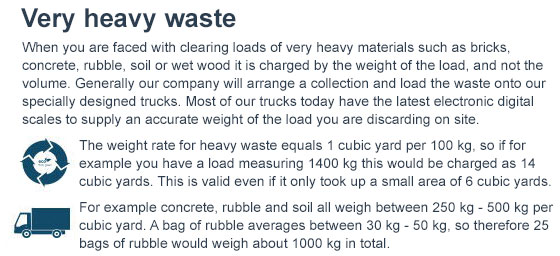
If you're trying to keep the budget in check, the pricing and quotes page is a sensible next read before you request a collection.
Law, Compliance, Standards, or Best Practice
Bulky rubbish collection sits inside a wider duty of care around waste handling. You do not need to be a legal expert to deal with it properly, but you should understand the basics.
In the UK, waste should be handled by an appropriate, lawful carrier, and it should be taken to a proper facility or treatment route. That's especially important if you're paying someone to remove waste on your behalf. If the carrier is not operating properly, the waste can end up creating a headache for the person who arranged the job. Not ideal.
Best practice usually means:
- using a provider that can explain how waste is transported and processed;
- separating hazardous or specialist items where needed;
- avoiding fly-tipping or leaving waste in communal spaces;
- making sure access routes are safe for workers and residents;
- checking building rules if you live in managed flats or shared accommodation.
If you live in a block with shared entrances or concierge access, keep the building manager in the loop. It's one of those small admin steps that avoids silly delays. For further peace of mind, the site's terms and conditions and privacy policy are worth reviewing before you submit details online.
And if secure payments matter to you, especially for larger jobs, the payment and security page adds another layer of reassurance.
Options, Methods, or Comparison Table
Choosing the right collection method depends on how much waste you have, how quickly it needs to go, and how much labour you want to do yourself.
| Method | Best for | Strengths | Limitations |
|---|---|---|---|
| Council bulky waste collection | Smaller volumes and non-urgent jobs | Simple for some households; familiar process | May require waiting; item limits can apply; less flexible |
| Private bulky rubbish collection | Fast clearances, awkward access, mixed loads | Convenient, often quicker, minimal lifting for the customer | Usually costs more than doing it yourself |
| Skip hire | Renovations, ongoing decluttering, larger volumes | Good if waste will build up over days; suitable for projects | Needs space and permits may be needed depending on placement |
| Self-haul to a facility | People with a vehicle and enough time | Can be economical if you can transport safely | Time-consuming, physically demanding, and not always practical in NW5 |
For many Fortess Road residents, private collection is the sweet spot when items are heavy, access is awkward, or the job needs doing quickly. Skip hire can be useful for larger refurbishments, while council routes may be fine for occasional items if you are happy to wait.
If you are weighing options, the local skip hire in Kentish Town page can help you compare project-based clearance with one-off bulky collection.
Case Study or Real-World Example
Imagine a two-bedroom flat near Fortess Road after a tenancy ends. There's a three-seat sofa, a dismantled bed frame, a table with wobbly legs, two office chairs, a couple of old suitcases, and a pile of mixed household clutter that somehow multiplied in the back room. Nothing outrageous, just enough to make the space feel cramped and a bit tired.
The first move is not to start dragging everything downstairs. It's to sort the load. The sofa and bed frame are bulky furniture. The chairs may still be usable or recyclable. The suitcases and clutter need checking for personal items. Then the access is reviewed: stair width, doorway clearance, and whether parking close by is possible.
In a case like this, a bulk collection service works well because it handles the awkward lifting, separates suitable items, and removes the waste in one visit. The tenant avoids several car trips, the landlord gets a clear property sooner, and the hallway stays free of random furniture teetering in the corner. Everyone wins, more or less.
That sort of clear-out often links naturally with other property-related needs too, such as office clearance if the space is mixed-use, or loft clearance if the problem has been quietly growing for years up above.
Practical Checklist
Use this quick checklist before booking or carrying anything outside.
- Have I listed every bulky item that needs to go?
- Do any items need dismantling before removal?
- Have I checked stair access, lift access, and door widths?
- Is there a safe place for collection to stop or load?
- Have I removed personal belongings from drawers, pockets, and compartments?
- Have I separated furniture, electrics, garden waste, and builders' waste?
- Do I need a same-day or timed collection?
- Have I asked how reusable or recyclable items are handled?
- Have I reviewed any building or landlord rules that apply?
- Do I know who I'm contacting if I need to change the booking?
Expert summary: the best bulky rubbish collection is the one that fits the space, the waste type, and the timing you actually have. Keep it simple, sort early, and choose a route that reduces lifting, delays, and disposal uncertainty.
Conclusion
Bulky rubbish collection near Fortess Road does not need to become a drawn-out project. Once you know what you're clearing, what kind of access you have, and whether the load needs recycling, reuse, or specialist handling, the decision becomes much easier. Truth be told, that's usually the real challenge: getting from "I should deal with this" to a clear plan.
For local households, landlords, and businesses in NW5, the smartest route is often the one that keeps the process safe, tidy, and well organised. Whether you need a single item removed or a more involved clearance, the key is to start with the right information and not leave the awkward bits until the last minute.
If you're ready to move forward, speak to a local team that understands Fortess Road access, mixed waste types, and the importance of a clean, straightforward collection. Sometimes that's all it takes to get your space back.
Get a free quote today and see how much you can save.
And if you want a direct next step, you can always contact the team here for help with your collection.



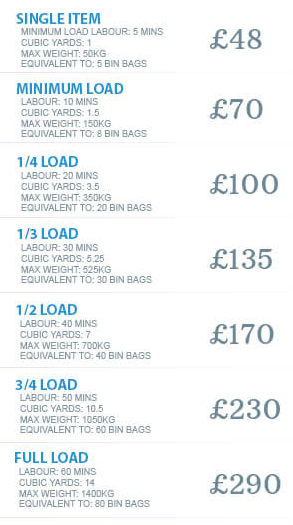
 Tipper Van - Rubbish Removal and Waste Disposal Prices in Kentish Town NW5
 Luton Van - Rubbish Removal and Waste Disposal Prices in Kentish Town NW5