Kentish Town West station rubbish drop off and collection
Posted on 07/05/2026
Kentish Town West station rubbish drop off and collection: a practical local guide
If you live, work, or travel through NW5, waste has a way of becoming urgent at the least convenient moment. A flat move is nearly done, the office has a pile of broken chairs by the door, or a post-renovation mess has appeared overnight. That is where Kentish Town West station rubbish drop off and collection becomes useful: a simple way to understand what can be removed, how it is usually handled, and which option makes the most sense for your day, your access, and your budget.
This guide breaks the topic down in plain English. You'll see how local rubbish collection works, when drop-off style solutions are realistic, what to do about bulky items, and how to avoid the usual headaches around timing, access, and compliance. If you're trying to clear clutter without turning the whole afternoon into a circus, you're in the right place.
Why Kentish Town West station rubbish drop off and collection matters
Kentish Town West sits in a busy part of north London where homes, small businesses, rentals, and transport links all overlap. That makes waste removal slightly more complicated than people expect. You may only have a few items, but the access can be tight, parking can be awkward, and you might not want rubbish sitting outside for long. In that setting, a clear rubbish drop off or collection plan saves time and reduces stress. Simple as that.
It also matters because local waste has to be handled properly. Not everything can go in a household bin, and not every item should be left near the pavement hoping it disappears. Old furniture, builder's rubble, green waste, office clutter, and mixed junk each need different handling. If you get that wrong, you risk delays, extra costs, or rejected collection.
For many people, the real value is convenience. A collection service can remove several categories of waste in one visit, while a drop-off style approach can work for smaller, manageable loads. The right choice depends on what you have, where you are, and how quickly you need the space back. If you want a broader view of the services available locally, the services overview is a useful starting point.
Key takeaway: the best rubbish solution near Kentish Town West is rarely the fanciest one. It's the one that fits your waste type, access conditions, and timing without creating more work for you.
How Kentish Town West station rubbish drop off and collection works
At a practical level, rubbish drop off and collection near Kentish Town West usually falls into one of two patterns. First, you arrange for waste to be collected from your property, shop, or site. Second, you organise a drop-off arrangement where waste is brought to an agreed location or handled through a local disposal route. The exact method depends on the service provider and the type of waste involved.
Collection is the more common option for most residents and businesses. A team arrives, loads the waste, separates reusable or recyclable material where possible, and transports it for lawful disposal or treatment. That is often the easiest route for bulky items, awkward loads, or situations where you simply do not want to lift heavy things yourself.
Drop-off works best when the waste is already bagged, sorted, and manageable. Think smaller household clear-outs, a few boxes after a move, or light DIY waste. It is less ideal if you have dusty, heavy, or mixed waste that needs careful handling. To be fair, by the time you've carried six bin bags down the stairs and realised there are six more, collection starts sounding rather attractive.
For heavier or more complex jobs, services such as rubbish collection in Kentish Town or a broader waste removal service are usually a better fit. If the job is mainly furniture, you may want to look at furniture disposal in Kentish Town instead of a general clearance.
In practice, the workflow tends to be:
- You identify what needs to go and how much of it there is.
- You check whether it is general waste, bulky waste, recyclable material, or something more specialist.
- You decide whether drop-off, collection, or skip hire is the cleanest option.
- You book a time that fits around access, neighbours, and any building restrictions.
- The waste is removed, sorted where possible, and sent on through the proper channels.
If the site is tight or the road access is awkward, this becomes even more important. A lot of Kentish Town streets are not exactly designed for leisurely manoeuvres. If your property is on a narrow road or has limited frontage, this local guide on rubbish removal for narrow access is well worth a read.
Key benefits and practical advantages
People usually think of rubbish removal as a chore, but there are real practical advantages when it is done well. The obvious one is space. Clearing a hallway, shop floor, spare room, or office corner instantly makes the place feel more usable. You can breathe again. Sounds dramatic, but anyone who has lived with a pile of unwanted stuff in a small London property knows the feeling.
Another benefit is time. DIY disposal can turn into a half-day job once you add lifting, loading, parking, and sorting. A proper collection service condenses that work. It also reduces the risk of damaged walls, scratched floors, and strained backs. Not glamorous, but very real.
There is also a compliance angle. Reputable services should handle waste responsibly, including recycling where appropriate. That can matter if you are clearing a flat, managing a landlord turnaround, handling business waste, or disposing of mixed items after a refurbishment. If sustainability matters to you, the page on recycling and sustainability gives a good sense of the approach.
Common benefits include:
- less lifting and carrying for you
- faster turnaround on clear-outs
- better handling of bulky or awkward items
- more reliable disposal than leaving things to pile up
- improved recycling and sorting opportunities
- a tidier property, which is especially helpful before sale, move-in, or refurbishment
If you are preparing a property for market, that clean-out stage matters more than most people realise. The guide on buying property in Kentish Town and the article on real estate sales in Kentish Town both connect naturally with the value of a clutter-free space.
Who this is for and when it makes sense
This kind of service is useful for a surprisingly wide range of people. It is not just for big renovations or dramatic house clearances. In fact, most jobs are pretty ordinary: a few pieces of furniture, a broken washing machine, leftover packaging after a move, or a weekly pile-up from a busy office.
It makes sense for:
- tenants moving in or out of flats near Kentish Town West
- homeowners doing a room clear-out or decluttering project
- landlords between tenancies
- estate agents and property managers preparing a listing
- small businesses clearing office waste or old stock
- builders and tradespeople needing construction waste removed
- gardeners or homeowners disposing of green waste after pruning or landscaping
For example, a couple clearing a spare room may only need a simple furniture pickup and some general rubbish removal. A local cafe, on the other hand, may need regular collection of mixed packaging or back-of-house waste. Different problem, different solution. That's the point.
It can also be especially helpful if you are dealing with property transitions. A lived-in place can look half the size once clutter is removed. If you want a more local feel for how the area works day to day, have a look at this guide to Kentish Town and, if you are interested in the residential side, whether Kentish Town is a great place to live.
Step-by-step guidance
If you are trying to work out the best approach, keep it simple. The fastest decisions usually come from a clear list, not guesswork.
1. Separate what you have
Start by splitting waste into broad groups: furniture, general household rubbish, garden waste, builder's waste, office items, and anything potentially hazardous. You do not need to overthink it, but a basic sort saves time later.
2. Check access and lift points
Ask yourself: can items be carried out easily, or will they need to be dismantled first? Is there a lift? Is the staircase awkward? Can a vehicle stop nearby without causing trouble? Access often decides the entire plan.
3. Decide between drop-off, collection, or a skip
For small, contained loads, drop-off may be enough. For mixed or bulky waste, collection is often easier. For ongoing renovation work, skip hire in Kentish Town can be a practical alternative. It's not always the cheapest on paper, but sometimes it is the least annoying, which honestly counts for quite a lot.
4. Get a clear quote
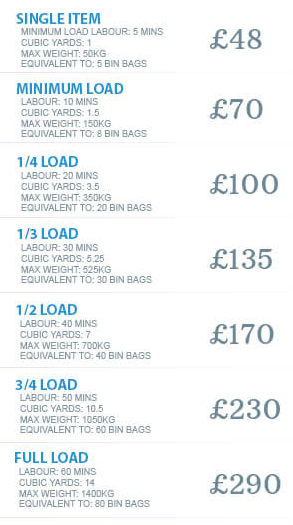
Before booking, ask how pricing is calculated. Is it based on volume, waste type, labour, access, or extra handling? Good providers are usually transparent about this. If you want a sense of what to ask, the pricing and quotes page is a sensible reference point.
5. Prepare the waste properly
Bag light rubbish, stack furniture safely, and keep sharp or dusty items under control. If anything is wet, leaking, or contaminated, mention it in advance. A short honest description saves a lot of back-and-forth.
6. Book at a sensible time
If you live near a station or on a busy road, timing matters. Early morning or mid-afternoon can sometimes be easier than peak commuter hours. Small detail, big difference.
7. Make the handover smooth
When the team arrives, point out the items, mention anything fragile, and confirm whether anything should be left behind. If you have a last-minute item to add, say so before loading starts. Much easier than dragging something back out of the cupboard after the van has gone.
Expert tips for better results
One of the most useful habits is to photograph the waste before you book. That way, you can describe the job clearly, especially if there are mixed materials or a few items that seem harmless but are actually awkward to move. Pictures reduce guesswork. They also make quoting cleaner.
Another good habit is to dismantle large furniture where safe to do so. A wardrobe in one piece can be a nightmare on a narrow stairwell; in flat-pack form, it becomes much simpler. The same applies to desks, bed frames, and shelving. A little screwdriver work can save a surprising amount of labour.
If you have lots of one type of waste, keep it separate. Cleaner loads are easier to sort and often easier to recycle. For example, keeping cardboard apart from general rubbish or separating green waste from old timber can help. That does not mean you need to become a waste manager overnight. Just a bit of order goes a long way.
And here's a real-world one: if you're near the station, try not to leave bags or loose items outside longer than necessary. Wind, rain, and foot traffic are not your friends. By late afternoon, a tidy pile can look like a small disaster if the weather turns. London keeps you humble like that.
For specialist loads, use the right service. A builder clearing rubble should look at builders waste clearance in Kentish Town. Someone clearing a loft or garage will usually get better value from loft clearance or garage clearance. Matching the service to the job is where the real efficiency is.

Common mistakes to avoid
The biggest mistake is assuming all rubbish is the same. It isn't. A bag of mixed household waste, a broken sofa, and a pile of plasterboard all need different handling. If you lump everything together without checking, you can end up with delays or extra charges.
Another common slip is underestimating volume. A room that looks "nearly empty" can still contain far more waste than you expect once you start shifting items. People often say, "It's only a few things." Then the van appears and suddenly it is quite a lot of things.
Other mistakes to watch for:
- forgetting to mention stairs, tight turns, or parking restrictions
- leaving hazardous items mixed in with ordinary waste
- failing to check whether furniture needs dismantling
- booking too late when you have a move-out deadline
- assuming the cheapest option will be the simplest one
- not asking about recycling or disposal methods
There is also a communication mistake that catches people out: not being specific enough. "A bit of rubbish" can mean almost anything. A better description is: "Two wardrobes, six bags, one mattress, and some cardboard." Much clearer. Much safer for everyone involved.
Tools, resources and recommendations
You do not need a full toolkit for most rubbish collection jobs, but a few simple items can make things easier. Strong bags, gloves, tape, a screwdriver, and a marker pen are often enough for light organising work. If you are dealing with boxes or packing waste, a utility knife and bundling tape can help too.
For larger jobs, think in terms of practicality rather than gadgets. A trolley, sack barrow, or furniture sliders may be useful if you are moving items within a property. Just be careful on stairs. Gravity is not especially helpful.
Useful resources and pages on this site include:
- rubbish clearance in Kentish Town for general one-off clear-outs
- house clearance services for larger domestic projects
- office clearance for workspaces and commercial units
- garden waste removal for outdoor clear-ups
- junk removal when you have mixed items and need a flexible pickup
- about us if you want to understand who is behind the service
- contact the team to discuss a specific collection
If you are choosing between disposal routes, it can also help to compare them against the realities of your home or site. A small second-floor flat with no lift is a very different job from a ground-floor office or a front garden full of cuttings. Obvious, perhaps, but easy to miss in a rush.
Law, compliance, standards and best practice
Waste in the UK has to be handled responsibly, and that applies just as much to small domestic jobs as to commercial clearances. You do not need to know every detail of waste law to make a good decision, but you should expect any professional service to dispose of waste lawfully and with care.
Best practice usually means:
- using appropriate vehicles and handling methods
- sorting reusable or recyclable materials where possible
- keeping hazardous items separate
- avoiding illegal dumping or fly-tipping, obviously
- being transparent about what can and cannot be collected
If your rubbish includes electrical items, sharp materials, paint, chemicals, or anything potentially hazardous, mention it early. Some items need special handling and may not be accepted in a standard load. That is not being difficult; it is just sensible.
For peace of mind, it is also worth reviewing the provider's safety and insurance approach. The insurance and safety page is useful for understanding the kind of care a professional service should take. If you want to review how your information is handled during booking, the privacy policy and terms and conditions pages are also there for reference.
On a practical level, compliance is less about jargon and more about common sense: clear descriptions, honest booking, safe lifting, lawful disposal, and proper documentation where needed. That's the standard worth expecting.
Options, methods, or comparison table
Different jobs call for different approaches. The best choice depends on how much you have, how quickly you need it gone, and how accessible the site is.
| Option | Best for | Strengths | Limitations |
|---|---|---|---|
| Collection service | Furniture, mixed rubbish, bulky items, urgent clear-outs | Convenient, saves lifting, ideal for awkward access | May cost more than self-disposal for tiny loads |
| Drop-off arrangement | Small, sorted, manageable waste loads | Simple for light volumes, can suit organised clear-outs | Less suitable for heavy, mixed, or bulky waste |
| Skip hire | Ongoing renovation, builders waste, larger projects | Handy for repeated loading over time | Needs space, permissions, and careful planning |
| Specialist disposal | Furniture, green waste, office items, builders waste | Better handling for specific waste streams | Less flexible if your load is highly mixed |
If you are still undecided, ask one simple question: do I want to move the rubbish myself, or do I want someone else to do the heavy part? That usually answers it. Not always, but often enough.
Case study or real-world example
Picture a one-bedroom flat a short walk from Kentish Town West station. The tenant is moving out on Friday, the landlord wants the place ready for photos on Saturday, and there are still a mattress, a broken desk, two shelves, and about eight bags of mixed clutter sitting in the hallway. Nobody has the time or energy for multiple trips.
In that situation, a collection-based approach is usually the smoothest option. The items can be grouped at the front of the property, the desk can be dismantled if needed, and the mattress and shelves can be removed in one visit. If cardboard and packaging are separated in advance, the load becomes easier to sort and the process feels less chaotic. The flat looks better almost immediately. Fresh air helps too, truth be told.
Now compare that with a small garden clear-up. A homeowner has a few bags of cuttings, some soil, and an old plastic planter. That may be better suited to a specific garden waste removal service or a neat drop-off style arrangement if the volume is tiny and already organised. Same area, very different decision.
The lesson is simple: the best method is the one that matches the job rather than forcing the job to match the method. That little shift saves a lot of hassle.
Practical checklist
Use this before you book or prepare a collection. It keeps things tidy and helps avoid last-minute surprises.
- List every item or bag you want removed
- Separate furniture, general rubbish, garden waste, and builder's waste
- Check whether anything is hazardous or needs special handling
- Measure large items if access is tight
- Confirm whether stairs, lifts, or narrow entrances will affect removal
- Think about parking or vehicle access near Kentish Town West
- Ask how pricing is calculated
- Prepare bags and items so they are ready when the team arrives
- Move valuables and personal documents out of the way
- Ask about recycling and disposal routes
- Set a collection time that gives you enough breathing room
If you are dealing with furniture specifically, it may be worth reviewing the dedicated furniture disposal NW5 page as well as the main furniture disposal service. Those pages can help you decide whether to dismantle, book a pickup, or combine items into a broader clearance.
Conclusion
Kentish Town West station rubbish drop off and collection is really about choosing the right waste solution for a busy local environment. If you have a small, sorted load, drop-off style handling may be enough. If you have bulky items, mixed rubbish, access problems, or a tight deadline, collection is usually the calmer and safer path. The right answer depends on the waste, the property, and how much effort you want to spend on the day.
Get the basics right: sort sensibly, describe the job clearly, check access, and use a service that treats disposal properly. Do that, and the whole process becomes much less of a headache. Better still, the space feels usable again - and that small bit of order can make a surprisingly big difference.
If you are ready to move from planning to action, a direct conversation is often the quickest way forward. A few clear details now can save a lot of faff later.
Get a free quote today and see how much you can save.