Do you need a permit for furniture removal NW5
Posted on 31/07/2026

Do you need a permit for furniture removal NW5? A practical local guide
If you are clearing out an old sofa, a bed frame, or a bulky dining set in NW5, the first thing most people want to know is simple: do you need a permit for furniture removal NW5? In many everyday cases, no permit is needed at all. But the answer can change depending on where the furniture is being placed, how it is being removed, and whether any part of the job affects the pavement, road, or shared space. That is where people get caught out. The job seems straightforward until the first chair is on the kerb and somebody asks the awkward question.
This guide breaks it down in plain English. You will learn when a permit may be required, how local access and parking can change the plan, what best practice looks like, and how to avoid the common headaches that make furniture removal more stressful than it should be. We will keep it local, practical, and honest. No fluff.
Why furniture removal permits matter in NW5
Furniture removal in NW5 is not just about lifting heavy items out of a flat. It often involves narrow stairwells, terraced streets, limited parking, and shared access points. That is why the permit question matters. A permit may be needed if a vehicle has to stop in a restricted bay, if a loader needs to work from the roadway, or if anything is left on public land even briefly. In busy parts of Kentish Town and the surrounding NW5 area, those details can make the difference between a smooth clearance and a frustrating delay.
To be fair, a lot of people assume that if the item is going to a disposal van, that is the end of it. Not quite. The removal process can trigger parking restrictions, access issues, or council-related requirements, especially where shared streets are tight. That is why many residents check the route, the loading point, and the type of service before they move anything. A little planning saves a lot of swearing later.
If you are unsure how the local waste process works more broadly, it can help to read about Camden Council rules for waste removal in Kentish Town and the practical realities of access and rubbish removal in Kentish Town. Those pages are useful if your property has tricky frontage or limited roadside space.
Key point: the permit issue usually comes down to where the furniture is collected from, not the furniture itself. The sofa is not the problem. The parking space, loading bay, and public highway are where things get interesting.
How furniture removal permits work in practice
Let us keep this simple. In most cases, furniture removal itself does not require a special permit if a professional team can collect items from private property, such as inside a flat, house, office, or private forecourt. The question becomes more complicated when the team needs to use a skip, a vehicle, or a loading area on a public road.
Typical scenarios where a permit may be needed
- Placing a skip or container on a public road.
- Stopping a removal vehicle in a restricted bay or controlled zone.
- Loading bulky furniture from the kerbside or highway.
- Using cones or reserving street space for the job.
- Working in an area with tight parking or timed access controls.
Typical scenarios where a permit is often not needed
- Furniture is removed from inside the property and loaded from private land.
- The vehicle can park legally in an unrestricted space without special arrangements.
- The job is completed without using the road as a working area.
There is a practical distinction here that people miss. If a team simply carries an old wardrobe out of your front door and loads it into a van parked legally, that is very different from leaving a chest of drawers on the pavement while arranging transport. One is normal service delivery. The other can create a compliance issue.
For homes in tighter streets, the answer can depend on vehicle access and turning space. If your property has awkward access, see Kentish Town road rubbish removal for narrow access for a good sense of the practical problems that come up in NW5. It is one of those things you only really appreciate once a van is trying to reverse where it barely fits.
Key benefits and practical advantages
Getting the permit question right does more than avoid inconvenience. It helps the whole clearance run more smoothly.
- Fewer delays: a legally planned collection is less likely to stall because of parking or loading problems.
- Lower risk of penalties: improper roadside loading can lead to avoidable fines or enforcement issues.
- Better access planning: the team can choose the right vehicle, route, and collection time.
- Cleaner handover: no confusion about where the furniture is being collected from.
- More predictable pricing: good planning often reduces hidden extras.
There is another advantage that is easy to miss: peace of mind. When the logistics are sorted, you are not standing in the hallway at 7:30 a.m. wondering whether the wardrobe can be taken down the stairs without scraping the walls. Honestly, that calm matters.
For many residents, furniture disposal is part of a wider clear-out. In those cases, it may be worth looking at broader services such as furniture disposal in Kentish Town, rubbish collection in Kentish Town, or even house clearance in Kentish Town if the job has grown from one item into half a room. That happens more often than people admit.
Who this is for and when it makes sense
This topic is relevant to a lot of people in NW5, not just one type of customer.
You may need to think about permits if you are:
- A tenant moving out and clearing large furniture.
- A landlord emptying a furnished flat between lets.
- A homeowner replacing bulky household items.
- An office manager disposing of desks, cabinets, or meeting furniture.
- A builder or tradesperson clearing old fixtures after a refit.
- A family helping an older relative downsize.
It also matters if you live in a building with shared stairs, a courtyard, or a residents' parking arrangement. These places tend to create little logjams. A van may be ready, but the actual lift-out takes longer than expected because someone's couch is wider than the landing. That sort of thing. We have all seen it.
If you are dealing with business premises, the timing may be even more sensitive. For office moves and refurbishments, read more about office clearance in Kentish Town and builders waste clearance in Kentish Town. Those jobs often need tighter coordination because staff access, deliveries, and building rules can all collide at once.
Step-by-step guidance
If you want a sensible answer to the permit question, work through the job in order. This is the part that saves time.
- Identify where the furniture is being collected from. Private property usually keeps things simpler. Public pavement or road space introduces extra checks.
- Check the type of item and the size of the load. A single chair is one thing. A full bedroom set is another.
- Review access from the property to the vehicle. Think stairwells, lifts, hallway width, and doorway clearance.
- Work out whether the vehicle can park legally nearby. If not, a permit or alternative loading arrangement may be needed.
- Ask whether the service includes loading from inside the property. Some teams do, some do not. Clear this up early.
- Confirm whether any part of the job uses the public highway. That is the point where permissions often become relevant.
- Get a written quote and scope. A proper quote should explain what is included and what might change the price.
- Choose the collection method that matches the access. Sometimes a man-and-van style service is better than skip hire, especially on busy streets.
A quick real-world example: if you live near a narrow terrace and the van cannot stop directly outside, the team may need to work from a short walking distance. That can still be fine, but it should be planned. The problem is not the walk itself; the problem is pretending the walk will not happen.
If you want to understand how access affects the job, you may also find what to know about access and rubbish removal in Kentish Town useful. It gives a good feel for the practical side of planning around local streets.
Expert tips for better results
Here is the advice that tends to save people the most hassle.
- Measure before you move. Measure sofas, wardrobes, and beds before you start dismantling. A tape measure takes seconds. Regret takes longer.
- Photograph the access route. A few clear photos of stairs, doors, parking, and the item help the removal team judge the job properly.
- Ask about licensing and insurance. Professional operators should be able to explain how they handle waste legally and safely. See insurance and safety for more on what responsible service should cover.
- Keep the route clear. Hallways, landings, and front steps should be free of loose clutter on collection day.
- Bundle similar items together. Mattresses, small tables, and chairs are easier to load when organised in advance.
- Clarify timing windows. In busier parts of NW5, a short delay can matter because parking and access get worse as the day moves on.
One tiny but useful habit: make a quick note of any resident-only parking rules or building restrictions before you book. Not glamorous, I know, but it often prevents last-minute scrambling.
If you are comparing service options, you can start with the services overview and then check pricing and quotes. That gives you a better sense of how the job is structured before you commit.

Common mistakes to avoid
Most permit-related problems happen because people assume the collection will be simple. It often is, but not always.
- Assuming roadside loading is always fine. It is not. The highway is regulated space.
- Leaving booking details too vague. "Just a sofa" is not enough if there are stairs, parking issues, or multiple bulky items.
- Ignoring building rules. Some blocks require advance notice or protect lift usage windows.
- Choosing skip hire for a small furniture job. That can be unnecessarily awkward in tight NW5 streets. See skip hire in Kentish Town if you are weighing up whether it is the right fit.
- Leaving items on the pavement "just for a bit." Even a short stop can create issues if it obstructs the public way.
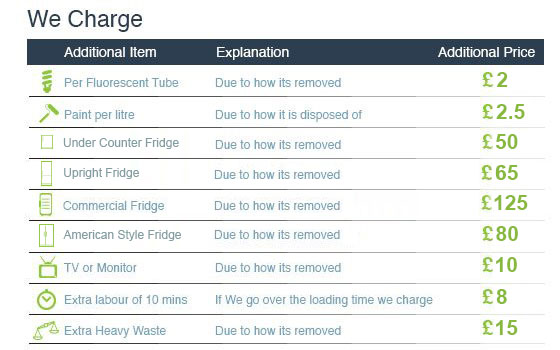
- Forgetting about hidden extras. Access difficulties, stair carries, and parking complications can affect the final cost if not discussed beforehand.
Truth be told, the most expensive mistake is usually the one you thought would be harmless. A chair left at the kerb. A van parked in the wrong bay. A collection booked with no note about the four flights of stairs. Small things, big annoyance.
To avoid that, read how to avoid hidden rubbish removal fees in Kentish Town. It is a practical reminder that the quote should reflect the real job, not an idealised version of it.
Tools, resources and recommendations
You do not need specialist equipment for most furniture removals, but a few basic tools help a lot.
- Measuring tape: for doors, stair corners, and large furniture dimensions.
- Furniture blankets or padding: useful if items pass through tight areas.
- Basic screwdriver or Allen key set: ideal for dismantling beds, shelves, and flat-pack items.
- Gloves: a sensible choice for handling dusty or splintery pieces.
- Phone camera: take photos of access, parking signs, and the item condition before collection.
On the planning side, a few website resources can help you make a more informed choice. If you are deciding between a partial clear-out and a full property emptying, compare junk removal in Kentish Town, rubbish clearance in Kentish Town, and waste removal in Kentish Town. The right choice depends on volume, access, and how much sorting you want to do yourself.
If sustainability matters to you, it probably should, the recycling angle is worth checking too. The page on recycling and sustainability is a useful place to understand how materials may be handled after collection. A second-hand wardrobe does not have to become landfill by default. Nice when that happens, actually.
Law, compliance and best practice
For NW5 furniture removal, the safest approach is to assume that any use of public space, parking restrictions, or highway loading needs checking before the job begins. Local compliance is not just about avoiding penalties; it also protects pedestrians, neighbours, and the people doing the lifting.
In UK practice, responsible furniture removal should follow a few broad principles:
- Waste should be carried and transferred by a properly managed operator.
- Items should not block pavements, access routes, or emergency movement.
- Any required parking or highway permissions should be arranged in advance where needed.
- Workers should handle heavy items safely and use suitable lifting methods.
- Customers should be told clearly about the scope of service, access assumptions, and any extra charges.
The exact permit requirement can vary depending on the street, the vehicle, and how the work is carried out. That is why the best answer is rarely a blunt yes or no. It is more often: not usually, unless the job uses public space or restricted parking.
For local context, you may also want to read Camden Council rules for waste removal in Kentish Town. Even if you are not handling the permit yourself, understanding the local framework helps you ask better questions.
Options and comparison table
If you are deciding how to remove furniture in NW5, it helps to compare the main approaches. The best choice usually depends on access, urgency, volume, and whether you want a hands-off service or a do-it-yourself option.
| Option | Best for | Permit risk | Pros | Watch-outs |
|---|---|---|---|---|
| Professional furniture removal | Single items to medium loads, awkward access, quick turnaround | Often low if collected from private property; higher if roadside loading is needed | Fast, convenient, less lifting for you | Quote should reflect stairs, parking, and access |
| Skip hire | Large clear-outs, mixed bulky waste, longer projects | Higher if skip sits on a public road | Good for ongoing disposal over several hours or days | Can be awkward in tight streets and may require more planning |
| Self-transfer to a disposal point | Small loads, people with a suitable vehicle and time | No permit for the move itself, but parking and unloading still matter | May suit low-volume jobs | Requires labour, time, and a vehicle |
| Full house or office clearance | Large-scale moves, refurbishments, end-of-tenancy clearances | Depends on access and collection method | Most efficient for big jobs | Needs strong planning and clear scope |
In practice, professional removal is often the easiest option for most people in NW5. It avoids the clunky middle ground where you are trying to move a wardrobe yourself on a wet Thursday, which frankly nobody enjoys.
If you are still weighing methods, it may help to compare the service pages for garage clearance and loft clearance as well. They show how different clear-out types are handled when access or volume changes the job.
Case study or real-world example
A common NW5 scenario goes like this. A tenant in a first-floor flat wants to get rid of a sofa, two armchairs, and a broken coffee table before moving out. The hallway is narrow, there is no lift, and the street outside has limited parking. The first question is not "How do we throw this away?" It is "Where can the removal vehicle legally stop, and can the items be brought out without blocking the pavement?"
In a case like that, the team would usually check access first, then plan the removal time around parking pressure, and then confirm whether the collection can happen entirely from private property. If the van can park legally nearby and everything is carried from the flat to the vehicle without using restricted public space, a permit may not be necessary. If the only workable loading point is on the road or in a controlled bay, the permit question becomes much more important.
What makes this kind of job smoother is not magic. It is simply accurate information. A few photos of the stairs, the street, and the furniture are often enough to avoid the classic "we thought it would fit" moment. It rarely does, by the way, at least not without a bit of grunting.
This is also where a broader service can help. If the items are only part of a larger move, a combined clearance may be more efficient than booking a one-item collection now and another one later. The right decision depends on the whole picture, not just the sofa in front of you.
Practical checklist
Use this checklist before you book or start a furniture removal job in NW5.
- Confirm exactly which furniture items are being removed.
- Measure doorways, stair turns, lifts, and the largest item.
- Check whether the collection will happen from private land or a public road.
- Review parking options near the property.
- Ask whether a permit or parking arrangement may be needed.
- Check building rules, concierge requirements, or loading restrictions.
- Get a clear quote in writing.
- Ask whether dismantling is included or expected.
- Prepare a clear route through the property.
- Remove personal items, glass, and loose fittings before collection day.
- Plan for recycling or reuse where possible.
- Keep the team informed if access changes at the last minute.
Little things matter here. If the item is coming from a back room, clear the corridor first. If parking is tight, mention it. If the lift is out of service, say so. It all helps.
If you want a clearer picture of the company behind the service, you can also read about us and check the terms and conditions for service expectations.

Conclusion
So, do you need a permit for furniture removal NW5? In many straightforward cases, no. If the furniture is collected from private property and the vehicle can park legally without using restricted public space, the job often goes ahead without a permit. But if the collection involves roadside loading, reserved space, a skip on the highway, or any other use of public land, the answer may change.
The safest approach is simple: check access early, be honest about the size and location of the items, and confirm whether any parking or highway permission is needed before collection day. That one conversation usually prevents most of the stress. And in a place like NW5, where streets can be tight and timing matters, that is worth doing properly.
If you are ready to sort a furniture collection and want guidance that fits your property, your access, and your schedule, start by reviewing the practical service information and then ask for a quote that reflects the real job, not the ideal version of it. A well-planned removal feels surprisingly calm once it is underway. Get a free quote today and see how much you can save.
Sometimes the best move is simply getting the heavy thing out of the way, then breathing out and enjoying the empty space.


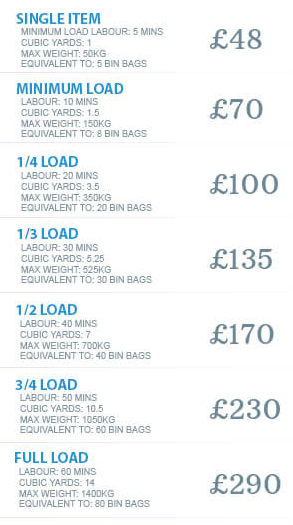
 Tipper Van - Rubbish Removal and Waste Disposal Prices in Kentish Town NW5
 Luton Van - Rubbish Removal and Waste Disposal Prices in Kentish Town NW5