Camden council rules for waste removal in Kentish Town
Posted on 07/07/2026
Camden council rules for waste removal in Kentish Town: what residents and businesses need to know
If you live, work, or manage a property in NW5, the rules around waste can feel annoyingly specific. One missed detail and suddenly you are dealing with a rejected collection, a blocked pavement, or a pile of rubbish that was supposed to be gone by lunch. Camden council rules for waste removal in Kentish Town matter because they shape what can be set out, when it can be removed, and who is responsible for keeping the street tidy.
This guide breaks it all down in plain English. You will learn how the system works, where people commonly get tripped up, and how to choose the right removal method for everything from a broken sofa to post-renovation rubble. We will also cover practical tips for narrow streets, busy frontages, and awkward access - the kind of everyday Kentish Town realities that make simple jobs a bit less simple. Truth be told, that is usually where the problems begin.
For readers comparing professional help, it may also be useful to look at the full range of waste services and the dedicated recycling and sustainability approach before deciding what suits your property.

Why Camden council rules for waste removal in Kentish Town Matters
Kentish Town is one of those areas where the street scene can change fast. A row of Victorian terraces, a busy main road, a narrow side street, a flat above a shop - and every one of them creates a different waste challenge. That is exactly why Camden council rules matter. They are there to keep pavements passable, reduce fly-tipping, support recycling, and make sure waste is handled safely and legally.
If you have ever seen a bin bag split open on a wet morning or a mattress leaning against a railing waiting for "later", you already know the social cost of getting waste wrong. It does not just look untidy. It can attract pests, block access, and create complaints from neighbours. In a dense area like Kentish Town, one poorly handled clearance can ripple across the whole street.
There is also a practical side. Council collections, private removals, skip hire, and one-off bulky waste jobs all come with different expectations. Knowing the rules helps you avoid ordering the wrong thing, putting waste out at the wrong time, or booking a collection that cannot legally take certain materials. That sounds obvious, but it is a very common expensive lesson.
For landlords and sellers, the issue can be even more time-sensitive. If a property is being prepared for viewings or handover, waste removal needs to be orderly and predictable. You can see how this links with local property decisions in a guide to buying property in Kentish Town and local property sales considerations.
How Camden council rules for waste removal in Kentish Town Works
At a high level, waste removal in Camden usually falls into a few buckets: regular household bins, bulky waste collections, recycling streams, local disposal options, and private clearance services. The exact route you use depends on what you are throwing away, how much there is, and where the waste is currently sitting.
1. Household waste and recycling
For everyday rubbish, the main focus is on using the correct bins, keeping waste contained, and placing it out according to local collection arrangements. Recycling is especially important because mixed waste is much harder to process. A simple example: cardboard, food waste, and general rubbish should not all be shoved into one bag and left to sort itself out. Sadly, rubbish is not that cooperative.
2. Bulky household items
Bulky items such as beds, wardrobes, white goods, and damaged furniture often need a separate solution. In many cases, residents look at a council bulky waste route or a private collection, depending on urgency, item type, access, and volume. The main thing to remember is that bulky items are not treated the same as normal black-bag waste. They need a deliberate collection plan.
3. Construction and renovation waste
Builder's rubble, plasterboard, broken tiles, timber offcuts, and similar material should be handled more carefully than general household waste. These loads can be heavy, dusty, and awkward to move, and they often need a different approach from ordinary domestic clearances. If your job involves renovation debris, the dedicated builders waste clearance service in Kentish Town is a more sensible starting point than guessing your way through it.
4. Garden and green waste
Garden waste may look harmless, but it still needs to be handled properly. Soil, branches, hedge trimmings, turf, and plant matter can create a surprising amount of volume. The council approach may differ from a private clearance, especially if the waste is mixed with bags, pots, broken fencing, or soil-heavy loads. If your garden has turned into a mini jungle after a couple of damp weeks, you are not alone.
5. Private waste removal and skip hire
Private waste removal is usually the most flexible route when you need speed, help with loading, or a cleaner process for mixed items. Skip hire can work well too, but in Kentish Town access, permits, and space can make it less straightforward than it first sounds. A skip is not always the neat option people imagine it is. Sometimes it is the easiest route; sometimes it is a logistical headache in a yellow jacket.
For more context on local access issues, the article on access and rubbish removal in Kentish Town is worth a look, especially if your frontage is tight or the lift is tiny and slow.
Key Benefits and Practical Advantages
Following Camden council rules for waste removal in Kentish Town is not just about avoiding a fine or a complaint. It creates a cleaner, simpler process for everyone involved.
- Fewer delays: Correctly sorted waste is less likely to be rejected or left behind.
- Safer handling: Heavy or sharp waste is less likely to injure someone if it is packed and moved properly.
- Better kerb appeal: Important for landlords, sellers, venues, and anyone who simply does not want an eyesore outside.
- Improved recycling outcomes: Recyclable materials are more likely to be processed correctly when separated.
- Less neighbour friction: Good waste practice reduces complaints about noise, smell, blockage, and mess.
- Lower risk of extra costs: Mistakes such as overfilling, mixing prohibited materials, or choosing the wrong service can be expensive.
There is also a quieter benefit: peace of mind. When waste is scheduled, sorted, and removed properly, the whole property feels calmer. You notice it on the stairs, in the hallway, even in the way the front of the building looks at 8 a.m. on a grey Tuesday.
For people comparing collection methods, the service page for rubbish collection in Kentish Town and the broader waste removal option can be useful reference points.
Who This Is For and When It Makes Sense
This topic matters to a lot more people than you might expect. It is not just for households with a full shed or tradespeople with a van full of debris.
- Homeowners clearing lofts, garages, basements, or spare rooms.
- Renters moving out and trying to leave a property tidy.
- Landlords and letting agents managing end-of-tenancy clearances.
- Property buyers and sellers preparing spaces for completion or viewings.
- Office managers removing desks, filing, packaging, or old equipment.
- Venue operators dealing with post-event waste or temporary overflow.
- Builders and decorators handling renovation waste and strip-out material.
It makes sense to pay closer attention if the job involves multiple waste types, short deadlines, heavy objects, or awkward access. That is especially true in Kentish Town, where terraced properties, basement flats, and shared entrances can make a simple pickup turn into a small puzzle.
There is a good related discussion in Kentish Town road rubbish removal for narrow access, which gets into the practical pain points of tight streets and limited loading space.
Step-by-Step Guidance
If you want a straightforward way to stay on the right side of Camden council rules, work through the process in order. It sounds basic, but doing this properly saves time later.
- Identify the waste type. Separate household rubbish, bulky items, recyclable materials, garden waste, and construction waste. Do not assume one collection can take everything.
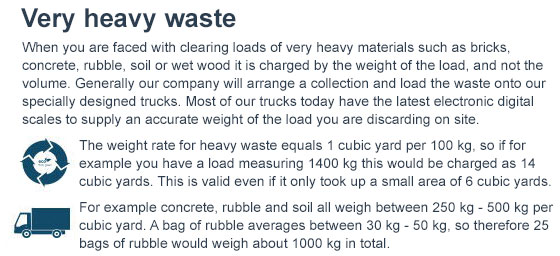
- Check volume and weight. A single sofa is one problem. A sofa, dismantled wardrobe, broken mirror, and seven sacks of old clothes is another.
- Look at access. Can waste be carried down safely? Is there parking nearby? Are there stairs, narrow hallways, or shared corridors?
- Decide on the method. Use the council route for suitable household or bulky items, or choose a private clearance if you need same-day support, loading help, or mixed waste removal.
- Sort sensitive items. Separate anything with sharp edges, liquids, electrical parts, or reusable value.
- Book with realistic timing. Do not leave bulky items for the morning of a move-out if the collection window is tight.
- Keep the area clear. Waste should be accessible and not obstructing fire exits, neighbours' entrances, or public walkways.
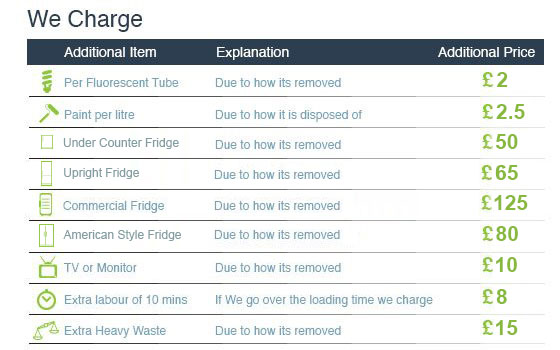
- Confirm final instructions. If you are using a service, check what is included, what is excluded, and whether labour, loading, or disposal fees are itemised.
A small but useful habit: take a quick photo of what needs removing before the job begins. It helps reduce misunderstandings, especially if the collection involves an estimate or multiple item types. Nothing fancy. Just useful.
Expert Tips for Better Results
In our experience, the best waste jobs are the boring ones. The waste is sorted, the route is clear, the booking is specific, and nobody is improvising in the hallway at the last minute.
Keep waste dry where possible
Wet cardboard, soggy textiles, and damp paper create more mess than people expect. If you can keep items under cover before collection, do it. A little bit of rain can turn a tidy stack into a very unhelpful lump.
Disassemble large items early
Flat-pack furniture, bed frames, and large shelving units are much easier to move once taken apart. Even if the crew can handle dismantling, you will often save time by loosening things in advance.
Separate reusable items from waste
If something can be donated, sold, or reused, remove it from the clearance pile before booking. This reduces waste volume and can make the job feel less wasteful overall. A chair with a wobbly leg might still have a second life somewhere else.
Think about neighbours and building rules
Shared hallways, loading bays, and entranceways often have their own quiet house rules. Leave enough clearance for people to pass. It sounds obvious, yet it is one of the most common frustrations in blocks and mixed-use buildings.
Plan for traffic and timing
Kentish Town can be busy, especially near station areas and main routes. A collection that works at 10 a.m. may be awkward at school-run time or late afternoon. If the job is time-sensitive, build a little breathing room into it. You will thank yourself later.
For a broader look at local service choices, the page on services overview gives a helpful starting point, and the page on pricing and quotes is useful if you are comparing options carefully.

Common Mistakes to Avoid
Most waste issues in Kentish Town are not dramatic. They are small mistakes that snowball. A missed detail here, a wrong assumption there, and suddenly the street is cluttered or the booking is delayed.
- Putting out the wrong items: Not every waste stream can go in one go.
- Leaving collections too late: This is the classic move-out mistake.
- Blocking access: Items left in shared areas can cause complaints and safety issues.
- Ignoring prohibited materials: Some materials need special handling, and guessing is not a strategy.
- Underestimating volume: A "few bags" often turns into more than a few, somehow.
- Forgetting permits or permissions: Especially relevant for skips and street use.
- Not checking the final disposal route: A good provider should be clear about what happens after collection.
One thing people often overlook is the difference between tidy appearance and legal compliance. A pile of waste may look manageable, but if it is placed incorrectly or contains the wrong material, it can still become a problem.
If you want a deeper look at that, read how to avoid hidden rubbish removal fees in Kentish Town. It covers the kind of surprises that are easiest to avoid early.
Tools, Resources and Recommendations
You do not need a van full of specialist gear to manage waste well, but a few simple tools make the process smoother.
- Heavy-duty gloves: Good for broken items, splinters, and rough edges.
- Reusable rubble sacks: Handy for builder's waste or dense mixed materials.
- Tape measure: Useful for checking item size before booking a collection or skip.
- Phone camera: Helps document item condition and volume.
- Labels or marker pens: Great for separating "keep", "donate", and "remove".
- Dust sheets or covers: Useful if waste sits inside the home before removal.
When choosing a service, ask yourself a few plain-English questions. Will they load the waste for you? Do they handle awkward access? Are they used to flats, basements, offices, and narrow roads? Are they transparent about waste types and disposal? Those questions sound basic because they are basic, and basic is exactly what keeps the whole thing sane.
For specific property types, these pages can help you choose the right fit: house clearance in Kentish Town, office clearance, garage clearance, and loft clearance.
Law, Compliance, Standards, or Best Practice
Waste removal in London is shaped by local rules, landlord responsibilities, property management expectations, and broader waste handling standards. You do not need to memorise every detail to stay compliant, but you do need a sensible working approach.
As a general rule, householders and businesses should ensure waste is stored, presented, and collected in a way that does not create nuisance, obstruction, or unsafe conditions. That means no loose waste bags on public walkways, no hazardous items hidden inside mixed waste, and no guessing around what a collection is allowed to take.
For businesses, the bar is usually higher. Office clearances, retail waste, and venue clean-ups should be organised with particular care, especially if there is confidential material, electrical equipment, or a fast turnaround. A professional process matters here. So does a clear chain of responsibility.
Health and safety best practice is straightforward: minimise manual handling risks, keep walkways clear, do not overfill containers, and make sure any sharp, heavy, or dusty materials are packed safely. If someone has to carry a heavy item down three flights of stairs in a narrow stairwell, that needs planning, not hope.
If you want reassurance around safe working practices, the page on insurance and safety is a sensible place to start. For businesses, policy pages like terms and conditions and payment and security also help set expectations before anything is booked.
Options, Methods, or Comparison Table
Choosing the right waste removal method depends on the job, the access, and how fast you need it done. Here is a practical comparison.
| Method | Best for | Pros | Watch-outs |
|---|---|---|---|
| Council collection route | Routine waste and some bulky items | Structured, familiar, suitable for many standard household needs | May not suit urgent, mixed, or heavy jobs |
| Private waste removal | Fast clearances, mixed loads, awkward access | Flexible, labour included, usually easier for busy households and landlords | Quality and pricing vary, so compare carefully |
| Skip hire | Renovations, large amounts of sorted waste | Useful for ongoing work, can suit DIY projects | Space, permit, and loading issues in busy streets |
| Self-haul | Small quantities and people with transport | Can be economical if you already have the vehicle and time | Labour, sorting, and disposal responsibilities remain with you |
In Kentish Town, the decision often comes down to access. If a van can park close and the waste is easy to carry, private removal is often the least stressful route. If it is a long carry from a top-floor flat, or the load is mixed and awkward, skip hire may be less convenient than it looks on paper.
There are also local situations where speed matters more than theory. The blog on same-day rubbish removal delays in NW5 is useful if your timing is tight and the clock is already misbehaving.
Case Study or Real-World Example
Here is a realistic scenario. A family in Kentish Town is moving out of a two-bedroom flat near a busy road. They have a broken wardrobe, an old mattress, three bags of mixed household clutter, a fan heater, and a few boxes from the kitchen they forgot about until the last minute. The hallway is narrow, the lift is small, and the property needs to look clear before final checkout.
If they tried to deal with everything separately, the move would become messy very quickly. Instead, they sort the items into keep, recycle, and remove. Fragile items are packed first. The wardrobe is dismantled. The bulky waste is placed where it can be loaded quickly without blocking neighbours. They also check access before the crew arrives, which saves a lot of back-and-forth.
The result is not glamorous. It is just calm. The clearance happens without drama, the flat looks presentable, and nobody has to drag a half-dismantled shelf through the stairwell while muttering under their breath. In real life, that is a win.
This kind of approach is especially useful for households, but it also works for landlords, office managers, and anyone preparing a property for handover. If your job is more furniture-specific, the dedicated furniture disposal page may be the most direct next step.
Practical Checklist
Use this checklist before any waste removal job in Kentish Town. It keeps things tidy and lowers the chance of last-minute surprises.
- Have you identified the exact waste type?
- Have you separated recyclable items from general rubbish?
- Have you checked for any heavy, sharp, or restricted items?
- Is the collection point easy to reach?
- Have you measured bulky furniture or large items?
- Do you know whether you need a council route, private removal, or skip hire?
- Are neighbours, staff, or building managers aware if access will be affected?
- Have you confirmed timing and parking constraints?
- Have you checked the provider's inclusions and exclusions?
- Is the area clear enough for safe loading?
If you are dealing with a garden, office, loft, or garage specifically, those property types often benefit from a more tailored plan. The related service pages for garden waste removal, office clearance, loft clearance, and garage clearance can help narrow things down.
Conclusion
Camden council rules for waste removal in Kentish Town are not there to make life difficult. They exist to keep a busy, closely packed neighbourhood working properly. Once you understand the basics - what type of waste you have, how it should be separated, and which collection method fits the situation - the whole process becomes much more manageable.
The real secret is to plan a little earlier than you think you need to. That is usually all it takes. A clear pile, a clear pathway, and the right collection choice can turn a stressful clearance into a neat, practical job with no drama at all. And honestly, that is what most people want.
If you are weighing up options for a home, office, or one-off property clearance, start with the practical route that suits your access, timing, and waste type. If you want help putting the right plan together, you can use the service pages to narrow things down or reach out when you are ready.
Get a free quote today and see how much you can save.
And if you are standing in a hallway full of boxes right now, take a breath. It is fixable. It really is.



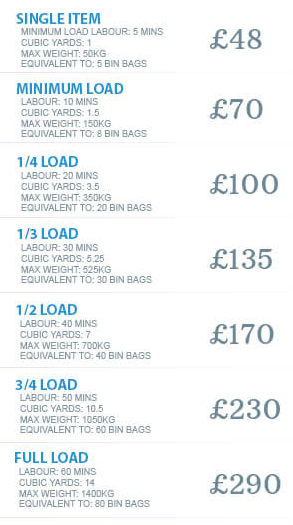
 Tipper Van - Rubbish Removal and Waste Disposal Prices in Kentish Town NW5
 Luton Van - Rubbish Removal and Waste Disposal Prices in Kentish Town NW5