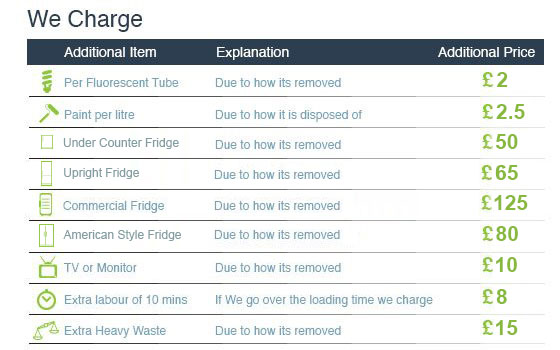
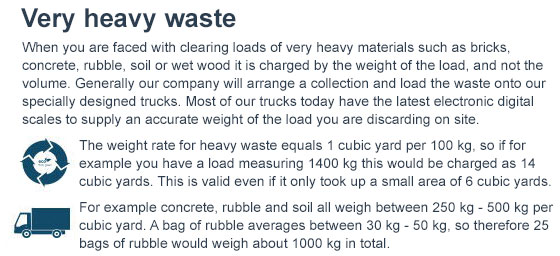
Camden council fines for fly tipping in Kentish Town
Posted on 17/08/2026

Camden council fines for fly tipping in Kentish Town: what residents and businesses need to know
If you live, work, rent, or manage property in NW5, the phrase Camden council fines for fly tipping in Kentish Town is more than a search term. It is a real-world issue that can affect your wallet, your reputation, and the look and feel of the street outside your door. Fly tipping is one of those problems that starts small - a mattress dumped beside a wall, a black sack left near a bin store, a pile of builder's waste "for later" - and then suddenly becomes everyone's problem.
This guide explains how council fines and enforcement generally work, what behaviour creates risk, what to do if waste has been dumped near you, and how to stay on the right side of local waste rules without overcomplicating it. If you are clearing a flat, handling renovation debris, or simply trying to avoid a costly mistake, you'll find the practical bits here. And yes, we'll keep it plain English.
Why Camden council fines for fly tipping in Kentish Town matters
Fly tipping is not just an eyesore. In a dense area like Kentish Town, it creates blockage, attracts more dumping, and can quickly turn a tidy pavement into a messy little magnet for trouble. One bag left next to a wall often becomes two, then a broken chair, then someone's old carpet. You know how it goes.
For residents, the concern is obvious: nobody wants to walk out to find waste outside their home or building. For landlords and managing agents, the stakes are even higher because poor waste control can affect tenant satisfaction, access, and the general feel of a property. For local businesses, abandoned rubbish near a shopfront or venue can send the wrong message at exactly the wrong moment.
There is also a fairness issue. Proper waste disposal costs time and money. When someone skips the rules, the burden often lands on neighbours, building managers, cleaners, or the council. That is why enforcement matters. It is not about being heavy-handed for the sake of it; it is about discouraging repeat behaviour and protecting shared spaces.
If you are dealing with a property move, clearance, or end-of-tenancy clean-up, it can help to read about Camden council rules for waste removal in Kentish Town alongside your own plans. That way, you are not making assumptions in the dark, which is where people often trip up.
Key takeaway: Fly tipping fines are not only about punishment. They are meant to discourage improper dumping, protect shared streets, and push people toward lawful disposal routes.
How Camden council fines for fly tipping in Kentish Town works
At a practical level, enforcement usually starts with the question: who is responsible for this waste? That sounds simple, but in the real world it can get messy fast. Waste may be dumped by a stranger, left by a tradesperson, or placed out by a resident who thought "someone will take it." If there is evidence linking the waste to a person or business, a fine or other enforcement action may follow.
Typical evidence can include packaging, address labels, invoices, names on documents, CCTV, witness reports, or the way waste was handled. If the rubbish came from a builder, a landlord, a shop, or a householder, the council will usually look at the circumstances carefully. And if someone paid an unlicensed carrier to take the waste away, that does not automatically remove responsibility. That bit catches people out a lot.
Not every waste issue becomes a fine, but the risk rises when waste is abandoned in a public place, placed out improperly, or handed to the wrong person to remove. A fly-tipping penalty can sit alongside cleanup costs, so the financial hit may be bigger than people expect. Sometimes much bigger.
If you are unsure how a waste job should be handled, it is worth looking at a local service overview before you make decisions. The services overview gives a useful picture of the kinds of removals and clearances people commonly need in the area.
What usually triggers enforcement?
- Leaving waste on the pavement, in an alley, or beside communal bins without permission.
- Using an unverified or informal waste collector.
- Overfilling a skip or placing waste outside the skip area.
- Dumping builder's rubble, furniture, or appliances in a public space.
- Not checking access, permits, or collection arrangements before a clearance.
It is worth saying plainly: one careless decision can create a chain reaction. A resident dumps a sofa because the lift is awkward, the sofa sits there overnight, and by morning there are two more items next to it. Tiny lapse, bigger headache. Funny how that happens.
Key benefits and practical advantages
Talking about fines may sound negative, but understanding the system has a few real advantages. The first is simple: it helps you avoid a bill you did not need. The second is less obvious - once you understand what the council expects, you can plan clearance work in a way that is calmer, faster, and less stressful.
There is also a reputational benefit for anyone managing property or premises. Clean, lawful waste handling sends a strong signal that a place is cared for. In a busy neighbourhood like Kentish Town, where people notice what happens outside their front door, that matters more than people like to admit.
Another advantage is fewer delays. A waste plan that works properly means fewer awkward conversations with neighbours, fewer surprise obstacles in shared hallways, and fewer last-minute scrambles when a load of rubbish has to be moved quickly. If you have ever tried to manoeuvre a mattress through a narrow staircase at 7.30 in the evening, you'll know what we mean.
For people comparing disposal options, it can be helpful to look at the practical side of different approaches. For example, if access is tight or you need quick removal, reading about access and rubbish removal in Kentish Town can save a lot of friction later.
- Less risk: fewer chances of enforcement problems.
- Cleaner streets: better kerb appeal and fewer complaints.
- Better planning: waste is handled before it becomes urgent.
- Lower stress: no guessing about what is allowed.
Who this is for and when it makes sense
This topic matters to more people than you might think. It is not just for property managers or people in the middle of a renovation. If you live in Kentish Town and put waste out for collection, you need to understand the basics. If you rent a flat and are moving out, you need to understand the basics. If you run a cafe, office, shop, venue, or shared building, you definitely need to understand the basics.
It also matters when things are moving fast. End-of-tenancy deadlines, post-event cleanups, builders finishing late, a garage or loft finally being sorted out after months of avoidance - these are the moments when rushed decisions happen. And rushed waste decisions can be expensive.
Landlords and agents often need a broader plan because they may be dealing with furniture, mixed household items, old appliances, or garden debris all at once. In those cases, a structured clearance approach is usually safer than leaving things to chance. If that sounds familiar, the guide to house clearance in Kentish Town is a sensible place to start.
Businesses may also find themselves with waste generated after a refit, a stock change, or a one-off event. That is where planning matters, because waste that looks minor inside a unit can become a public nuisance once it reaches the pavement.
Step-by-step guidance
If you want to keep your risk down, do it methodically. Not perfectly. Just methodically. A few careful steps usually beat one rushed one every time.
- Identify the waste clearly. Is it furniture, mixed rubbish, garden waste, building debris, or something recyclable? Mixed loads are where confusion starts.
- Decide where it belongs. Some items may need special handling, while others can go in a standard clearance. A sofa and a broken sink are not the same job.
- Check access. Think about stairs, lift size, parking, and how long the load-out will take. In Kentish Town, access often matters more than people expect.
- Choose a lawful disposal route. Use a proper collection, licensed clearance, or approved collection method rather than leaving things to drift outside.
- Keep records. Save invoices, messages, photos, and any carrier details. That may sound boring, but boring is good when waste compliance is involved.
- Remove waste promptly. The longer something sits out, the more likely it becomes a complaint or a fly-tipping issue.
One practical example: if you are clearing a flat after a move and you have a bed frame, a broken wardrobe, and two sacks of mixed junk, do not leave the items on the roadside while you "sort a van later." Arrange the move, know the schedule, and keep the waste on private property until collection. It sounds obvious. People still forget. All the time.
If the job involves awkward items like old tables, sofas, or mattresses, it can help to look at furniture disposal in Kentish Town so you can match the collection method to the item type. That saves hassle and reduces the chance of stray waste ending up where it should not.
Expert tips for better results
Experience teaches you a few simple things. First, the cheapest option is not always the cheapest if it leads to penalties, re-collection, or cleanup charges. Second, the least visible waste is often the most annoying to deal with later. Small bags behind a bin store, a pile of packaging in a corridor, a crate left by a gate - these are the things that get noticed after dark and again in the morning.
One useful habit is to treat waste like part of the project, not the afterthought. If you are organising a refurbishment, a move, a clearance, or an event breakdown, sort the waste plan before the mess appears. It sounds almost too simple, but that is exactly why it works.
Another tip: document what you are disposing of. Photos of the load before it leaves can help if anyone later asks what was done and when. For businesses, this is especially sensible. It helps create a paper trail and removes a lot of uncertainty.
If you are working in a tight street or around shared access, reading the practical advice on rubbish removal for narrow access in Kentish Town Road is genuinely useful. Narrow access changes the whole game, frankly.
- Book collections before waste starts stacking up.
- Separate reusable, recyclable, and general waste where possible.
- Avoid leaving items "temporarily" on public land.
- Check whether bulky items need special handling.
Common mistakes to avoid
The same mistakes keep showing up, and they are usually avoidable. The most common one is assuming that "someone else will move it" if waste is left near the property. Another is using a carrier without checking whether the job is legitimate and appropriate for the material. A third is underestimating how quickly an untidy pile can turn into a community complaint.
A lot of problems happen because someone is trying to save a bit of time. To be fair, that is human. But waste rules do not reward haste. They reward preparation. Not glamorous, but there it is.
Here are the big ones:
- Leaving waste outside overnight without making sure it is permitted and secure.
- Mixing materials badly so the waste cannot be handled efficiently.
- Ignoring access issues and hoping the collection team can "figure it out."
- Not saving proof of who collected the waste and when.
- Assuming every waste collector is properly equipped for the job.
There is also a hidden-cost angle here. If you are trying to avoid surprise charges, it is worth reading about how to avoid hidden rubbish removal fees in Kentish Town. A bit of clarity up front usually prevents a less pleasant conversation later.
Tools, resources and recommendations
You do not need a giant toolkit to manage waste properly, but a few basic things help. A phone camera is useful for photos before and after collection. A notebook or digital note is handy for dates, times, and item lists. If you are coordinating a building or business, a simple checklist shared with staff or tenants can prevent crossed wires.
For larger clearances, it helps to compare options rather than picking the first one that sounds convenient. A skip may be suitable for a longer project, while a direct collection can work better for one-off bulky items. In other situations, a full clearance service is easier because it handles the sorting, lifting, and loading in one go.
If you are weighing up clearance methods, these pages are worth a look:
- Rubbish collection in Kentish Town for straightforward pick-ups.
- Junk removal in Kentish Town for mixed household clutter.
- Skip hire in Kentish Town for longer jobs or ongoing work.
- Waste removal in Kentish Town for broader disposal needs.
There is one more thing worth saying: if your waste includes garden cuttings or soil, do not assume it can be handled like general rubbish. Garden waste and mixed waste tend to behave differently in practice, and the cleanest outcome often comes from separating them. The same goes for office, loft, garage, and builders' waste.
Law, compliance, standards, or best practice
Without drifting into legalese, the basic principle is straightforward: waste should be stored, transferred, and disposed of responsibly. Property owners, occupiers, landlords, businesses, and anyone arranging disposal should take reasonable care. In everyday terms, that means knowing what you have, who is removing it, and where it is going.
Best practice usually includes checking access, using suitable containers or collection methods, and keeping evidence of disposal arrangements. For businesses, it is especially sensible to keep records of collections and supplier details. For residential jobs, proof of a proper pickup can be very reassuring if anyone questions what happened.
There is also a practical standard to aim for: no waste left where the public can treat it as abandoned. That includes pavements, shared forecourts, alleyways, and bin areas that are not being actively managed. If a load is still in your control, keep it in your control.
For anyone dealing with ongoing building work, the builders' waste clearance page is especially relevant because construction debris is one of the most common sources of complaints and enforcement trouble. Dust, rubble, timber offcuts, plasterboard - it all adds up faster than people expect.
Best-practice summary: Do not leave waste unattended, do not guess at disposal rules, and do keep a record of collection arrangements. Simple, but effective.
Options, methods, or comparison table
There is no one-size-fits-all answer. The right disposal method depends on the amount of waste, how quickly it must go, and how easy it is to access the property. Here is a practical comparison to help you think it through.
| Method | Best for | Strengths | Watch-outs |
|---|---|---|---|
| Direct rubbish collection | Small to medium loads, quick removal | Simple, fast, less street clutter | Needs clear access and accurate load description |
| Skip hire | Longer projects, ongoing waste production | Handy for phased clearances | Requires planning, space, and proper loading discipline |
| Full house or office clearance | Large or mixed contents | Reduces lifting and sorting pressure on you | Needs a clear handover and item list |
| Bulky item disposal | Sofas, wardrobes, mattresses, white goods | Good for awkward items | Access and timing need careful coordination |
If you are not sure which route fits your situation, compare your access, volume, and timing first. That one minute of thinking can save a lot of backtracking later. And yes, that really does matter when a stairwell is too narrow for a wardrobe.
Case study or real-world example
Here is a simple, realistic example. A small landlord in Kentish Town is clearing a one-bedroom flat after a tenant move-out. There is a broken bed frame, a small sofa, mixed bags of belongings, and some old kitchen items. The landlord is tempted to leave everything neatly beside the building entrance for collection the next day.
That seems harmless enough at first. But the street is busy, there is shared access, and the waste is visible from the pavement. By morning, one of the bags has been split open, and another resident has assumed the pile is abandoned. More waste has appeared next to it. Suddenly the clean-up is bigger, messier, and more public than it needed to be.
The better approach would have been to keep the items inside until the collection time, confirm the access arrangements, and use a proper service for the bulky pieces. A well-planned loft or bulky clearance service in Kentish Town can be a better fit than trying to improvise. Less drama. Fewer surprises. Much easier on everyone involved.
In cases like that, the difference is not just convenience. It is the difference between a controlled clearance and a street-level nuisance. That is exactly where fly tipping risk grows.
Practical checklist
Use this before any clearance or waste handover. It is quick, and a bit boring in the best possible way.
- Have I identified all items that need removing?
- Do I know whether any of the waste needs special handling?
- Is the access route clear, safe, and realistic?
- Have I booked the collection or disposal method properly?
- Have I kept proof of the arrangement and the time?
- Will any waste be left unattended in a public place?
- Have I separated bulky, recyclable, and mixed items where possible?
- Do I need a backup plan if the first collection is delayed?
- Have I checked the plan with tenants, neighbours, or staff if needed?
- Is the waste definitely staying off the pavement until collection?
If you can tick most of those off, you are already ahead of the game.
Get a free quote today and see how much you can save.
Conclusion
Understanding Camden council fines for fly tipping in Kentish Town is really about understanding responsibility. If waste is yours, it is your job to make sure it is handled properly. If you manage property or run a business, that responsibility becomes even more important because the consequences ripple outward very quickly.
The good news is that most problems are preventable. With a bit of planning, the right collection method, and decent record-keeping, you can avoid the stressful stuff and keep things tidy. Truth be told, a lot of waste trouble comes from last-minute decisions rather than bad intentions.
If you need a bit more context on local waste handling, the page on Kentish Town West Station rubbish drop-off and collection may also help when you are planning around movement, access, and timing in the area.
Do the sensible thing early, keep the pavement clear, and make the handover clean. It saves money, yes - but it also keeps the neighbourhood feeling like a place people want to live in.


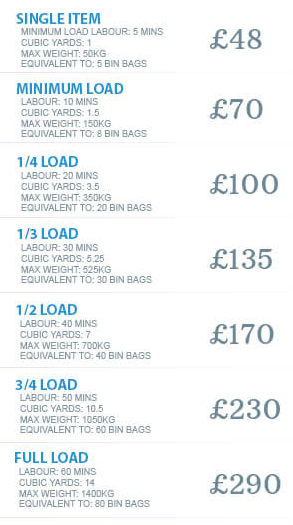
 Tipper Van - Rubbish Removal and Waste Disposal Prices in Kentish Town NW5
 Luton Van - Rubbish Removal and Waste Disposal Prices in Kentish Town NW5